

El ácido tetrahidrocannabinólico (THCa) es el precursor del THC, el compuesto más comúnmente asociado con los efectos psicoactivos del cannabis. Si bien el THCa en sí no es psicoactivo, fumarlo introduce una transformación significativa: al calentarlo, el THCa se convierte en THC, responsable del efecto psicoactivo que buscan muchos consumidores de cannabis. En esta entrada del blog, exploraremos qué sucede al fumar THCa, incluyendo los efectos que se pueden esperar y cómo se compara con otras formas de consumo de cannabis.
¿Qué sucede cuando fumas THCa?
Cuando el THCa se expone al calor, como al fumar o vaporizar cannabis, sufre un proceso llamado descarboxilación. Esta reacción química elimina un grupo carboxilo de la molécula de THCa, convirtiéndola en THC. Es este THC el que interactúa con el sistema endocannabinoide del cuerpo, lo que produce los efectos psicoactivos asociados al consumo de cannabis.
Los efectos de fumar THCa
1. Subidón psicoactivo
El efecto más inmediato de fumar THCa es el subidón psicoactivo inducido por el THC. Este subidón puede variar según la cepa de cannabis, la concentración de THCa y la tolerancia individual. Normalmente, los efectos incluyen una sensación de euforia, una mayor percepción sensorial y un estado alterado de consciencia. Algunas personas experimentan una mayor creatividad y claridad mental, mientras que otras pueden sentirse más relajadas e introspectivas.
2. Relajación intensa
Muchas cepas ricas en THCa (y, por lo tanto, en THC al fumarse) son conocidas por sus efectos relajantes. Esta relajación puede manifestarse como un subidón corporal calmante, donde la tensión y el estrés parecen disiparse. Para algunos, esto puede provocar una sensación de estar pegado al sofá, con una profunda relajación y la satisfacción de permanecer en un mismo sitio. Este efecto es especialmente común en las cepas de dominancia índica.
3. Alivio del dolor
Uno de los beneficios terapéuticos de fumar cannabis con alto contenido de THCa es el alivio del dolor. Una vez convertido en THC, el cannabinoide interactúa con los receptores del dolor del cerebro, ayudando a reducir la percepción del dolor. Esto hace que fumar cannabis rico en THCa sea una opción popular para quienes padecen dolor crónico, migrañas o dolor agudo.
4. Estado de ánimo mejorado
Fumar THCa también puede mejorar el estado de ánimo. El THC es conocido por sus efectos eufóricos, que pueden ayudar a aliviar los síntomas de depresión, ansiedad y estrés. Muchos consumidores afirman sentirse más felices, más sociables y menos agobiados por pensamientos negativos después de fumar cannabis con alto contenido de THCa.
Cómo fumar THCa se compara con otros métodos
Fumar THC es una de las maneras más rápidas de sentir los efectos del cannabis, ya que el THC entra al torrente sanguíneo casi inmediatamente a través de los pulmones. Esto lo convierte en el método predilecto para quienes buscan un alivio rápido de síntomas como el dolor o la ansiedad.
En comparación con los comestibles, que deben digerirse y metabolizarse antes de sentir los efectos, fumar proporciona una experiencia más inmediata, pero menos duradera. Los efectos de fumar suelen alcanzar su punto máximo entre 30 minutos y una hora y pueden durar algunas horas, dependiendo de la potencia de la cepa y de la tolerancia.
Conclusión
Fumar THCa produce una amplia gama de efectos, desde euforia y relajación hasta posible ansiedad y una alteración de la percepción del tiempo. Al comprender qué esperar, podrá prepararse mejor para la experiencia y tomar decisiones informadas sobre su consumo de cannabis.
Ya sea que busques beneficios terapéuticos como aliviar el dolor o simplemente disfrutar de sus efectos psicoactivos, fumar cannabis rico en THCa puede ofrecerte una forma potente e inmediata de experimentar todo el espectro de lo que esta extraordinaria planta ofrece. Solo recuerda empezar con una dosis baja, ir despacio y escuchar a tu cuerpo para asegurar una experiencia positiva y placentera.
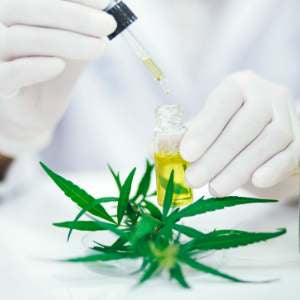
Efectos del THCa
Artículos Relacionados

Bubba Candy Strain: Sweet Flavor, Effects & THC
Key Takeaways The Bubba Candy strain is a 70% indica-dominant hybrid bred from Bubba Kush and Cotton Candy Kush, combining the rich Kush flavor with confectionery candy sweetness. THC content generally ranges from 20% to 25%, classifying it as a potent strain suitable for moderate and advanced consumers. Bubba candy strain effects may begin with mild euphoria, then can intensify into intense physical relaxation and couch-lock at high doses. The taste of the Bubba Candy strain is characterized by cotton candy sweetness and citrus candy on inhalation, with pine-like woody notes and a light skunk flavor on exhalation. The predominant terpenes found in the strain include caryophyllene, myrcene, limonene, and pinene. Bubba Candy is recommended for consumption during evenings and late hours, especially for people dealing with stress, chronic pain, or insomnia. If you want something that will help you relax and taste like candy, the Bubba Candy strain should be on your list of good cannabis strains. This strain is created through crossing two well-known cannabis strains - the Bubba Kush and the Cotton Candy Kush, and hence brings out the strengths of both varieties. The Bubba Kush is known for its strong sedative effects, while the Cotton Candy Kush gives off a candy-like aroma. Bubba Candy is considered moderate since its levels of THC are 20% to 25%. This means that all, including the beginners, can enjoy it. If you are seeking to relax after a busy day or relieve any pain, Bubba Candy comes in handy. Here is everything you need to know about Bubba Candy strain effects, flavor, potency, genetics, and who it suits best. Quick Summary Feature Details Type Indica-dominant Hybrid (70% Indica / 30% Sativa) THC Level 20% to 25% CBD Less than 1% Flavor Cotton candy, sour citrus, woody pine, light skunk Effects Euphoria, full-body relaxation, couch-lock, sleepiness Best For Stress relief, chronic pain, insomnia, evening use Table of Contents What Is the Bubba Candy Strain? Bubba Candy Genetics: Indica, Sativa, or Hybrid? Bubba Candy Strain Effects: Mental, Physical, & Duration Bubba Candy Flavor & Aroma Profile Bubba Candy Terpene Profile Bubba Candy Strain Potency: Beginner vs Experienced Who Should Use Bubba Candy Strain and When? Bubba Candy vs Similar Strains FAQs What Is the Bubba Candy Strain? Bubba Candy is a hybrid with 70% indica and 30% sativa. It is also known as Candy Bubba or Cotton Candy Bubba. This strain is a cross between Bubba Kush and Cotton Candy Kush, making it a perfect blend of strength and pleasure. Also, the strain has the usual relaxing effects of Kush family strains. Its sweet, candy-like flavor makes each session flavorful and smooth. Because of this, it has become popular with indica fans looking for a strain that makes them happy. The strain has dense, tightly packed, dark forest-green buds. Besides, bright orange pistils weave through the flowers, and a thick coating of white crystals gives the buds a frosty, eye-catching finish. Bubba Candy Genetics: Indica, Sativa, or Hybrid? Bubba Kush (Parent One) One of the most famous indica strains in cannabis history is undoubtedly Bubba Kush. The strain is well-known for its powerful relaxing effect, tasty hashish flavors, and faint notes of chocolate and coffee when exhaled. Afghani lineage gives Bubba Kush deep physical relaxation, making it the backbone of Bubba Candy's profile. Cotton Candy Kush (Parent Two) Cotton Candy Kush brings some cotton candy sweetness to the genetic combination. In addition to fruity candy terpenes, the strain also offers slight sativa genetics that lead into an euphoric stage before full indica genetics kick in. The Result With 70% indica genetics and 30% sativa, Bubba Candy leans towards pure relaxation and stress relief. However, the presence of sativa in its DNA makes it more enjoyable to experience. As a result, there are two distinct stages of high associated with this strain, which are among the strongest features of Bubba Candy according to Bubba Candy strain reviews. Bubba Candy Strain Effects: Mental, Physical, & Duration Mental Effects The onset of the Bubba Candy strain effects is marked by a cerebral lift experienced moments after taking the last breath from your lungs. This is followed by mood elevation, with the feeling of anxiety being dispelled soon thereafter. Users will experience a relaxed form of happiness, leaving them in a happy yet relaxed state of mind rather than sharp focus or energy. At high doses, a more focused, intense euphoria occurs. Physical Effects The body high gradually intensifies over time, peaking between 20 and 30 minutes. The effects will be marked by deep muscle relaxation and relief from any physical stress. Limbs feel heavy and at ease. The effect reaches its height during a couch-lock stage for many users. Increased appetite and sleepiness are other commonly reported side effects. Duration Upon inhalation, Bubba Candy strains usually peak after 20 to 30 minutes. Euphoria occurs initially, but after 45 minutes, physical effects take precedence. The whole process usually lasts 2 to 4 hours. However, when consumed orally, Bubba Candy takes 5 to 7 hours to take effect. Bubba Candy Flavor & Aroma Profile Aroma The aroma kicks off with an acidic lemon-candy scent, followed by hints of woody pine, skunky smell, and flowery notes. Breaking of the bud gives rise to the sweetness of sugary confectionery, which fills the room swiftly. The Kush earthiness balances the sweetness without overshadowing it. Overall, the fragrance is friendly, appealing, and undoubtedly candy-like. Flavor Experience Taste-wise, Bubba Candy lives up to its description. The strain gives a highly sweet, sugary cotton candy taste, complemented with some sour citrusy and spicy floral flavors. Inhaling the vapor goes down smoothly, leaving a sweetness on the tongue. Exhaling brings out the woody and earthy notes. The aftertaste is soft and pleasant. Bubba Candy Terpene Profile Four main terpenes mainly influence the taste and smell of the Bubba Candy strain: Caryophyllene: The dominant terpene in the Bubba Kush strain family. Caryophyllene gives an unusual spicy-peppery taste and has a unique effect on CB2 receptors, suggesting possible anti-inflammatory benefits for the strain. Myrcene: This terpene provides a rich, earthy, musky base note. In general, myrcene is known for its relaxing properties, which form the core of Bubba Candy's couch-lock experience. Limonene: This compound adds a bright citrus taste to both the smell and taste of the Bubba Candy strain while giving you some mood-enhancing and stress-relieving qualities Pinene: Gives the woody and piney aftertaste of the strain, which is also responsible for improved mental clarity, in contrast to myrcene's relaxation effect All these terpenes contribute to making Bubba Candy a distinctive strain within the dessert indica category. Bubba Candy Strain Potency: Beginner vs Experienced Bubba Candy Strain Potency Details Bubba Candy strain potency ranges between 20-25% THC, with some of the best strains pushing the limits to reach this percentage. CBD content in Bubba Candy is minimal, accounting for less than 1% of the plant composition. Hence, Bubba Candy belongs in the category of potent marijuana strains that fall just above the beginner's tolerance limit. Beginners Beginners should approach Bubba Candy with care. Although Bubba Candy contains only 20% THC, its predominance in indica and strong sedative properties may affect inexperienced cannabis users. It is recommended that users begin by taking one or two draws and wait for at least twenty minutes before further intake. Experienced Users Experienced cannabis users can rely on Bubba Candy to help them relax after a long day. The predictable two-phase cycle from mild euphoria to deep body relaxation is a reliable cannabis strain for pain relief and better sleep. Who Should Use Bubba Candy Strain and When? The Bubba Candy strain is the most useful for consumers who have something specific they are looking to achieve from their marijuana use, such as pain relief, relaxation, or even serious stress reduction. Who It Suits Best Moderate to advanced users are comfortable with indica strains that contain higher amounts of THC Consumers who deal with pain or sore muscles and joints regularly People who suffer from stress, anxiety, and racing thoughts at the end of the day Consumers who struggle with sleep issues and falling asleep throughout the night Connoisseurs looking for a dessert-like marijuana experience with actual medicinal value Best Time to Use Bubba Candy is firmly an evening and nighttime strain. Its sedating finish makes daytime use impractical for most users. Most users consume it one to two hours before sleep or a full unwind session. Bubba Candy vs Similar Strains Strain Type THC Range Key Effects Flavor Profile Bubba Candy Indica-dominant Hybrid (70/30) 20% to 25% Euphoria, body melt, couch-lock, sleep Cotton candy, sour citrus, pine Bubba Kush Indica-dominant (80/20) 17% to 25% Heavy sedation, body high, stress relief Hashish, chocolate, coffee, earthy Cotton Candy Kush Hybrid 16% to 20% Relaxation, mood lift, mild body ease Sweet candy, berry, floral Granddaddy Purple Indica-dominant 17% to 23% Deep relaxation, euphoria, sleep Grape, berry, earthy, sweet Wedding Cake Indica-dominant Hybrid 22% to 27% Euphoria, body ease, moderate sedation Vanilla, earthy, sweet pepper In terms of the comparisons given here, Bubba Candy stands out as an independent strain because it offers complex flavors like Bubba Kush but still delivers a heavy body sensation like Cotton Candy Kush. Compared to Wedding Cake, Bubba Candy tastes sweeter and more relaxing. Bubba Candy: The Right Strain for You Bubba Candy stands out as a dessert-style indica that blends sweet flavor with deeply relaxing effects. Its smooth transition from mild euphoria to full-body calm makes it a reliable choice for winding down after a long day. Best suited for evening use, it delivers both comfort and potency without overwhelming experienced users. If you’re looking for a strain that tastes indulgent and helps you truly switch off, Bubba Candy is well worth exploring. FAQs 1. What makes the Bubba Candy strain different from other Bubba Kush hybrids? Unlike most Bubba Kush hybrids, which keep the terpene profile earthy and hashish-like while increasing potency, Bubba Candy introduces a new approach by crossing with Cotton Candy Kush to offer unique confectionery flavors above Kush earthy notes. This means the strain has a dessert-like taste and smell, while maintaining the deep sedative body effects of its parents. 2. How does Bubba Candy combine sweet and Kush flavors? To achieve both Kush flavors and confectionery hints in one plant, Bubba Candy uses Cotton Candy Kush, which adds fruit and sugar flavors along with limonene and caryophyllene terpenes. In addition, Bubba Kush offers a Kush aroma with earthy pine and skunk flavors from myrcene and pinene terpenes. 3. Why is Bubba Candy considered a dessert indica strain? Bubba Candy earns its indica dessert strain classification for its flavor above all else. With a cotton-candy smell, a sweet inhalation, and a delicious earthiness when it comes out, it fits on the confectioner side of things. Add to that its calming and appropriate effects for nighttime, and you've got the ideal dessert strain. 4. How does the Bubba Candy terpene profile influence aroma and taste? Caryophyllene provides spicy, peppery warmth. Myrcene is responsible for the earthy scent. Limonene contributes a tart, citric burst. Pinene brings the pine smell. These terpenes work together to give the strain its distinct earthy-sweet-piney scent and effects like relaxation, pain relief, and sleep aid. 5. What factors influence Bubba Candy strain quality and consistency? Cultivation environment, curing duration, and phenotype selection all directly influence quality. Four to eight weeks of curing is necessary to get a full-flavored product. Growth indoors with moisture control is key to ensuring buds are resinous and have low mold risk due to their density. 6. What is the Bubba Candy strain? Bubba Candy is an indica-sativa cross of marijuana, which is bred from Bubba Kush and Cotton Candy Kush strains. This marijuana provides you with a tasty cotton candy flavor, body relaxation, and a high content of THC from 20% to 25%. 7. Is Bubba Candy indica or sativa? Bubba Candy belongs to the indica group, as it contains 70% indica genes and 30% sativa genes. In other words, this marijuana provides you with a sedative effect due to the presence of indica, as well as short euphoria because of sativa.
Aprende más
Live Resin Badder: Effects, Uses & Buying Guide
Key Takeaways Unlike conventional concentrates, which use cured cannabis, Live Resin Badder maintains terpenes not present in cured extracts. Its THC content usually falls between 70% and 90%, making it one of the strongest concentrates on the market. The soft, frost-like consistency makes it very easy to work with compared to more fragile products. By preserving the terpenes, Live Resin Badder is much more flavorful than most wax or shatter concentrates. It can be found in both indica and sativa strains, depending on whether you want to use it during the day or night. Conserve it by keeping it frozen in an opaque and airtight container. If you are looking for a cannabis concentrate that provides excellent taste as well as high potency levels, Live Resin Badder is certainly one you should consider. As a creamy, whipped concentrate, Live Resin Badder helps preserve a broader range of cannabinoids and terpenes from fresh cannabis, offering you highly flavorful and potent experience. The effects of Live Resin Badder are euphoric and uplifting to the head or relaxing to the body, depending on the strains used. Live Resin Badder maintains the terpene content found in fresh cannabis without any changes to its chemical structure. You get to enjoy a concentrate whose flavor is just as delicious as its potency, because the process does not compromise taste quality. You will not be disappointed in the potency of the Live Resin Badder, whether vaping, dabbing, or smoking. Here you will find everything you need to understand what Live Resin Badder is, how it compares to similar products, who benefits most from using it, and how to buy with confidence. Quick Summary Category Details Type Cannabis concentrate (solvent-based or solventless) THC Level 70%–90% on average Flavor Fresh, fruity, earthy, diesel — varies by strain. Effects Euphoria, relaxation, creativity, pain relief Best For Experienced users seeking flavor and potency Texture Creamy, butter-like, easy to handle Onset Immediate (within seconds when dabbed) Table of Contents What Is Live Resin Badder? Indica, Sativa, and Hybrid Varieties Live Resin Badder Effects: Mental, Physical, and Duration Flavor & Aroma Profile Live Resin Badder Potency Beginner vs. Experienced Users Who Should Use Live Resin Badder & Best Time to Use Live Resin Badder: How to Use Live Resin Badder Comparison FAQs What Is Live Resin Badder? Live Resin Badder represents a high-quality cannabis concentrate made by extracting terpenes and cannabinoids from live (freshly frozen) cannabis plants rather than curing or drying the buds. After being cut, the plant material is promptly frozen, preserving valuable terpenes that would otherwise be lost during regular drying and curing. The extraction process usually involves light hydrocarbons like butane and propane; alternatively, a solventless procedure may use ice water and heating. Once the extraction is completed, the extract undergoes a whirling or agitation step during purging. The process incorporates air into the concentrate and disrupts crystalline structures, yielding a soft, fluffy concentrate. In appearance, the concentrate closely resembles cake frosting or softened butter; it is considered one of the most user-friendly concentrates, easy to pick up and apply with a dabbing tool. The "live" designation specifically refers to the fresh-frozen starting material. Consequently, "live" distinguishes the concentrate from regular badders that are made out of cured cannabis. According to research presented in the Journal of Cannabis Research, live (freshly frozen) material yields significantly higher amounts of monoterpenes and sesquiterpenes than regular, cured material. Indica, Sativa, and Hybrid Varieties Live Resin Badder isn't specific to the strain – it's extracted from any cannabis strain, and so, there's an indica, sativa, and hybrid type of badder available in the market. Indica-based badder: Usually induces more intense body sensations with its relaxing properties. Suitable for nighttime consumption, to unwind after work, or to alleviate physical pain and insomnia. Sativa-based badder: Promotes stimulating, euphoric effects that enhance energy levels and promote creativity. More suitable for daytime use. Hybrid badder: Combines both experiences. The majority of Live Resin Badders belong to this category. When choosing which concentrate to use, the strain type may be more important than most people think. The terpenes in each product are what set it apart from the others and give it its unique character. A sativa strain with a lot of limonene and pinene will be different from an indica strain with a lot of myrcene and linalool. Users will be able to choose the kind of experience they want much more accurately if they know what each terpene does. Live Resin Badder Effects: Mental, Physical, and Duration Understanding Live Resin Badder effects requires looking at both the cannabinoid content and terpene profile, since both contribute meaningfully to the overall experience. Mental Effects Fast euphoria onset in seconds of consumption Creative and out-of-the-box thinking (especially for sativa strains) Elevated mood and reduced stress Enhanced senses of hearing, taste, and vision Physical Effects Highly relaxing feeling, which may lead to couch lock for indica-heavy products Pain relief; especially suitable for inflammation, chronic pain, and muscle aches Arouses appetite Treatment for nausea symptoms Sometimes drowsiness, especially in high myrcene strains Duration When you dab or vape, the effects start right away and usually last for one to three hours. How long something lasts depends on how tolerant you are, how much you weigh, how fast your metabolism is, and how sensitive your endocannabinoid system is. First-time concentrate users often find that the effects last longer because their bodies haven't yet gotten used to high-potency inputs. Flavor & Aroma Profile One of the defining characteristics of this concentrate is its extraordinary flavor. Because fresh-frozen starting material retains far more terpenes than cured cannabis, the resulting extract delivers complex aromatic profiles that closely mimic the living plant's smell. Flavor The high terpene content in this concentrate delivers complex flavors unlike those of distillates or other waxes. In particular, limonene and terpinolene create an overall citrusy flavor with nuances of lemons and oranges and even some tropical fruits. There is a touch of freshness in the pinene and humulene flavors, complementing the profile with hints of the forest and the Earth. The signature taste of OG strains comes from myrcene and caryophyllene. Linalool and ocimene provide some sweet notes of lavender and flowers, along with the peppery flavor of caryophyllene. Aroma Another notable attribute of this concentrate is its aroma, which reflects the live plant's scent due to the fresh-freeze treatment. In this respect, one would notice fruity and citrusy flavors that gradually give way to earthy and piney undertones. Some diesel and fuel flavors complete the picture with some sweet touches of floral notes and herbs. Live Resin Badder Potency Live Resin Badder potency generally falls within the range of 70% to 90% THC content, categorizing it as a high-potency cannabis concentrate. However, depending on the quality of the initial materials and efficiency of the extraction process, some Live Resin Badder brands may exceed this limit. Besides, THCA Live Resin Badder products are worth noting because their popularity seems to be on the rise, especially in jurisdictions with tighter regulations regarding THC concentrates. The important aspect of these products is the fact that they do not include THC at all, but rather high concentrations of THCA, the psychoactive compound that converts into THC once heat is applied. Beginner vs. Experienced Users Beginners should start with a very small amount. Even at a small quantity, the Live Resin Badder's high potency makes for strong euphoric effects, and taking too much of it will quickly make them experience discomfort. Experienced users can comfortably work with larger amounts. At this level, the full effect range of the concentrate comes through, delivering pronounced potency and a noticeably long duration that seasoned consumers tend to seek out. Who Should Use Live Resin Badder & Best Time to Use Ideal Users Veteran cannabis users in need of high potency and flavorful hits Medical marijuana patients who need treatment for their symptoms, such as pain, nausea, or anxiety Connoisseur marijuana users in search of authentic terpenes of fresh marijuana Tolerance-developed users who desire maximum effect with a small dosage intake Best Time to Use Morning and daytime - Sativa strains that contain limonene and pinene Evening and nighttime – Indica strains that include myrcene and linalool Any time during the day - Hybrid strains provide flexibility in use, while careful dosing is crucial Live Resin Badder: How to Use The best way to stay safe and have fun is to know how to use Live Resin Badder. Dabbing is the most common way to do it. In this method, a quartz banger is heated to between 350 and 450 degrees Fahrenheit. Putting a little on the nail at this low temperature helps retain terpenes and makes the vapor smoother and cleaner. Many 510-thread and pod-based vaporizers also work with concentrates, so you can easily load a small amount and take it with you. Bowl topping is a simple and effective option for people who aren't ready to buy a dab rig yet. Putting a little bit of badder on top of packed flower in a pipe or bong makes the effects and flavor stronger without needing any extra tools. Another choice is waxing, which adds potency and slows down the burn a little by rolling a thin layer around the outside of a joint or blunt. This makes the session last longer. No matter what method is used, controlling the temperature is very important to the overall experience. Dabbing at low temperatures preserves volatile terpenes and cannabinoids, making the hits smoother and less harsh on the throat. When the temperature is higher, these compounds tend to burn, which lowers the quality and flavor of the concentrate. Live Resin Badder Comparison The texture is the most obvious difference between Live Resin Badder and live resin. Live resin is more like liquid because it is stirred and whipped, while badder is thicker and creamier. Both are made from frozen plant matter, and their terpene profiles are almost identical, giving them a similar taste and effect. But some differences matter, and many people like badder because it is thicker. The fact that this form is easy to handle and use with a dab tool reduces waste. Besides, understanding Live Resin Badder vs. wax and Live Resin Badder vs. live resin helps you make informed purchasing decisions. Feature Live Resin Badder Standard Wax Live Resin Starting Material Fresh frozen Cured flower Fresh frozen Texture Soft and creamy Crumbly and dry Loose and fluid Terpene Content Very high Moderate Very high THC Level 70 to 90% 60 to 80% 65 to 90% Flavor Excellent Average Excellent Ease of Use Easy to handle Takes some practice Can get messy Price Premium Budget friendly Premium Live Resin Badder is Worth It Live Resin Badder stands out for its exceptional flavour, high potency, and smooth, easy-to-handle texture. Its ability to preserve terpenes from fresh cannabis delivers a more authentic and enjoyable experience than many traditional concentrates. Best suited for experienced users, it offers powerful effects with minimal effort, making every session more efficient and flavourful. If you value both taste and strength, Live Resin Badder is a concentrate worth exploring. FAQs 1. What is Live Resin Badder, and what distinguishes it from other cannabis concentrates? Live Resin Badder is made from fresh frozen cannabis, and it contains a lot of terpenes, which is not the case for other extracts made from dried-out cannabis. Live Resin Badder has a whipped, creamy texture, while other concentrates are usually glassy and brittle. 2. What is the process of making Live Resin Badder from fresh frozen cannabis? Fresh frozen cannabis plants are immediately placed in the freezer, and the cannabis is extracted using hydrocarbon solvent in a closed-loop extractor. 3. Why is Live Resin Badder unique compared to other cannabis extracts in terms of texture? Unlike other cannabis concentrates that may be glassy and brittle or loose and liquid, Live Resin Badder has a soft, whipped, butter-like texture. This is because the extract is whisked and stirred during extraction, which gives it its unique texture. 4. How potent is Live Resin Badder? The amount of THC in Live Resin Badders falls within the range of 70% to 90%, thus being quite potent. 5. How is Live Resin Badder consumed? Live Resin Badders are most commonly used for dabbing, meaning applying them to a heated dab rig at a fairly low temperature. 6. What does Live Resin Badder look like? Live Resin Badders have a butter-like consistency that is slightly soft and are amber-colored. 7. Is Live Resin Badder better than wax? Yes, some people find Live Resin Badders superior to wax because of their terpene content and taste profiles.
Aprende más
Hella Jelly Strain: Fruity Flavor, Effects & THC
Key Takeaways Potency: THC potency levels of 26% - 30%, which means Hella Jelly is one of the most potent strains of sativa hybrids out there today. Genetics: Genetic breeding of Hella Jelly BX3, Notorious THC, and Very Cherry, with genetics deeply rooted in the tradition of growing marijuana in Northern California. Flavor: Strong, candy-flavored taste of blue cotton candy, strawberries, and grapes, along with a fruity, tropical flavor unique to Hella Jelly strains. Effects: Quick onset of happiness, euphoria, and creativity followed by the eventual shift towards relaxation for up to 4 hours. Best for: Creativity, parties, work, and stress relief or mood boosting. Terpene Profile: Primary terpenes in Hella Jelly include Caryophyllene, Myrcene, and Humulene. It's not as easy as most people think to find a weed strain that combines great flavor and reliable potency. The Hella Jelly strain makes that mix look easy. Humboldt Seed Company made this sativa-dominant hybrid. It has an average THC level of 26 to 30% and a terpene profile full of blue cotton candy, strawberry, and grape. The effects begin quickly after the first inhale. Users often report an uplifting cerebral high that makes them more focused and creative, and then it slowly turns into a full-body warmth that is pleasant instead of sleepy. The smooth two-phase arc is what makes Hella Jelly so useful. Depending on the dose, it can help you get things done during the day, be a creative partner for art sessions, or help you relax at night. Its moderate to high potency makes it easy for intermediate users to build tolerance, while still delivering the strong effects experienced users expect. Here is everything you need to know about Hella Jelly, including its effects, flavor profile, and who should or should not reach for this fruity powerhouse. Quick Summary Category Details Type Sativa Dominant Hybrid (70% Sativa / 30% Indica) THC Level 26 to 30% Flavor Cotton Candy, Strawberry, Grape, Mango Effects Euphoric, Creative, Focused, Relaxed Duration 2 to 4 hours Best For Daytime use, creative work, social settings Table of Contents What Is the Hella Jelly Strain? Hella Jelly Genetics, Type and Lineage Hella Jelly Strain Effects: Mental, Physical, & Duration Hella Jelly Flavor Profile and Aroma Hella Jelly Potency: THC Levels and What to Expect Who Should Use Hella Jelly and When? Hella Jelly Compared to Similar Strains Frequently Asked Questions (FAQs) About Hella Jelly Strain What Is the Hella Jelly Strain? The Hella Jelly strain is a sativa-dominant cannabis hybrid created by the Humboldt Seed Company. This company is known for being a reliable Northern California breeder with extensive experience creating stable, high-quality strains. The strain became popular after it won the company's 2019 competitive phenotype hunt, which sought the best strains from many entries. Humboldt Seed Company says the Hella Jelly strain is a mix of both worlds, combining strong sativa traits with the short, sturdy indica shape. This strain is good for indoor growing and delivers a burst of sativa's fruity, resinous qualities. The strain was first called the jelly rancher strain because of its candy-store terpene profile, but it was later officially named Hella Jelly. Because of its strong flavor and effects, it has become one of the most popular fruity cannabis strains. Hella Jelly Genetics, Type and Lineage The Hella Jelly genetics trace back to three parent strains, each chosen for a specific purpose. The first one is the Hella Jelly BX3, which is a backcross of the first Hella Jelly plant done three times. It helps stabilize and amplify the positive effects of this strain, including high trichome levels, fruity terpenes, and fast growth. Notorious THC, a hybrid strain made from Humboldt OG and Caramel Cream, helps to balance this strain by making it structurally stable. Very Cherry is the third strain that was used to breed Hella Jelly. This hybrid strain has a fruity taste and aroma because it is a cross between Lemon Kush BX3 and an excellent headstash Humboldt plant. Because it is a Hella Jelly sativa strain with 70% sativa and 30% indica, it is more of a mental strain than a physical one. Hella Jelly Strain Effects: Mental, Physical, & Duration Exploring Hella Jelly strain effects reveals a progression that unfolds in distinct phases after consumption. Mental Effects Users may feel better and clearer in their minds right away after taking their first hit. The euphoric high comes on quickly but doesn't overwhelm you. It may make you feel happy and creative, which makes it a great strain for artists and writers. Also, users often say that the increased sense of focus makes all distractions fade into the background, letting them get more into their work. Physical Effects As the high fades, a sense of relaxation may spread through the body, starting at the shoulders and moving down. The muscles may relax, the stress can go away, and the person may feel good physically, but not so much that they fall asleep. Higher doses can cause a full-body buzz and couch-lock. Duration In general, the effects of Hella Jelly may last for 2 to 4 hours. The first phase, which lasts 60 to 90 minutes and begins about 10 to 15 minutes after the user inhales the substance, is when they feel happiest and most social. The second stage helps you relax, so the effects last longer and fade slowly. Hella Jelly Flavor Profile and Aroma The Hella Jelly flavor profile is one of the strain's biggest selling points and arguably what separates it from a crowded field of potent hybrids. Flavor As soon as you break apart the Hella Jelly bud, a sweet, berry-and-candy-shop smell fills the air. When you inhale, the first thing that hits your mouth is blue cotton candy. It's fluffy, light, and very sweet. During the middle of the smoke, you can taste strawberries and grapes, as well as a hint of mango jelly that reminds you of the tropics. The exhale leaves a sweet, slightly earthy taste that lingers pleasantly without being too sweet. Aroma The aroma is very similar to the taste. When you open a jar of Hella Jelly, it smells like walking into a fancy candy store. The sweet fruit layers are broken up by a faint herbal earthiness that grounds the experience. People who grow this strain indoors say that by the fourth week of flowering, the whole grow room looks like a candy store. Terpene Breakdown Caryophyllene is the main spicy, woody terpene in black pepper and cloves. In Hella Jelly, it helps with anxiety and adds some depth to the otherwise sweet taste. Myrcene is a musky, earthy terpene that can help you relax and promote sleep. Myrcene makes you feel physically relaxed and gives you a body high when the Hella Jelly high starts to wear off. Humulene: A terpene found in hops and ginseng that smells like wood and is thought to help with inflammation. It adds to the overall healthiness of the experience and makes the smell more complete. Hella Jelly Potency: THC Levels and What to Expect Hella Jelly potency is definitely in the high THC range, with lab tests showing averages between 26% and 30% every time. Some high-quality cuts from the best growers have even higher levels. The strain has small amounts of CBG (cannabigerol) and CBD in addition to THC. These may have mild anti-inflammatory and anti-anxiety effects that make the raw THC experience less intense. For Newbies If you don't know much about cannabis or don't use it often, be careful with Hella Jelly. Take one or two puffs, then wait 15 to 20 minutes before deciding whether to take more. Because the high hits you so quickly, too much of it can quickly lead to anxiety or dizziness, especially for people who aren't used to high THC sativa hybrids. For people who have used it before People who have used cannabis for a long time will find that the vast majority of Hella Jelly strain reviews are positive. The strength is real, but it doesn't knock you out. Experienced consumers say they stay functional, social, and engaged during the high instead of being floored by it. Hella Jelly is a popular choice for daytime sessions when you need to get things done. Who Should Use Hella Jelly and When? Ideal Users Creative Professionals: Writers, artists, musicians, and designers in search of mental stimulation and unimpeded creativity. Social Users: People going to parties, meetings, and social events hoping for relaxation and conversation without the effects of being heavily sedated. Productivity Seekers: Individuals looking to power through a huge list of tasks with mental clarity. Experienced Cannabis Consumers: People with a high tolerance looking for a high-potency sativa blend that's packed with flavor. Flavor Chasers: Cannabis enthusiasts who prioritize terpene-rich, candy-sweet profiles above all else. Best Time of Day Hella Jelly may work best during the day or early evening. It works best in the morning and afternoon because it gives you energy and makes you think creatively. At the same time, gentle body relaxation in the later stages helps you wind down before sunset without messing up your normal sleep patterns. Don't use it late at night unless you want to stay awake; the sativa drive can make it hard to fall asleep. Hella Jelly Compared to Similar Strains Strain Type THC % Flavor Top Effect Best For Hella Jelly 70/30 Sativa Hybrid 26 to 30% Berry, Cotton Candy, Grape Euphoria + Creativity Daytime, Creative Jelly Rancher Sativa Hybrid approximately 24% Candy, Berry Uplifted, Happy Social Use Blue Dream Sativa Dominant 17 to 24% Blueberry, Sweet Balanced Relaxation Beginners, Daytime Gelato Balanced Hybrid 20 to 25% Sweet, Citrus, Mint Relaxed, Creative Evening, Social Strawberry Cough Sativa 18 to 22% Strawberry, Herbal Energetic, Focused Morning, Exercise Of all the above-mentioned strains, Hella Jelly wins for its unique THC cap and terpenes focused on candy flavors. Even though such fruity cannabis strains as Blue Dream and Strawberry Cough are more gentle, neither of them has such a power-to-flavor ratio as Hella Jelly. Jelly Rancher strain (a predecessor of the former one) also provides a similar flavor profile but has a lower THC percentage. Hella Jelly Stands Out Hella Jelly brings together bold candy-like flavours and high potency in a way few strains manage to achieve. Its fast-acting cerebral boost and smooth transition into relaxation make it both functional and enjoyable. Whether you’re chasing creativity, social energy, or a flavour-packed experience, this strain delivers on all fronts. Choose your dose wisely, and Hella Jelly can easily become a standout favourite in your rotation. Frequently Asked Questions (FAQs) About Hella Jelly Strain 1. What makes Hella Jelly strain different from other fruity cannabis strains? Many fruit cannabis strains provide taste or strength, but few give both. Hella Jelly strain offers 26 to 30% THC along with authentic blue cotton candy and strawberry terpenes, a combo that cannot be achieved by many fruit strains, even in the 18 to 22% THC bracket. 2. How does Hella Jelly compare to other sativa-dominant hybrids? Unlike other high THC sativa hybrids such as Green Crack and Jack Herer, Hella Jelly produces a gentler effect through the combination of its sativa and indica traits. While the former provides a pleasant feeling, the latter helps you avoid anxiety. This, along with the body-relaxation phase, sets it apart from many hella-jelly sativa strains. 3. Why is Hella Jelly known for its strong fruity terpene profile? The Hella Jelly strain review community points to Very Cherry parentage and a triple backcross stabilization process as the reason terpenes express so intensely. These aromatic compounds do not just hint at candy; they flood the grow room by week four and saturate every exhale. 4. How does Hella Jelly terpene profile influence flavor and aroma? Spicy tones come from caryophyllene, while myrcene brings sweet, juicy mango notes, and humulene offers woodsy aromatics when exhaled. The result is a candy-like aroma with a complex, organic taste. 5. What type of users prefer Hella Jelly strain? Advanced consumers, people who hunt for terps, artists, and social smokers all like this cannabis because of its strong psychoactive effects and candy flavors. Anyone who thinks mainstream hybrids lack punch or taste will appreciate the benefits of Hella Jelly strain at first sniff. 6. What are the effects of Hella Jelly strain? The effects of the Hella Jelly strain include a quick onset of euphoria, a creative focus, and a gentle body relaxation that lasts two to four hours without making you sleepy. 7. What strains make Hella Jelly? Hella Jelly genetics come from three parents: Hella Jelly BX3, Notorious T.H.C., and Very Cherry. Each one adds stability, potency, and a lot of fruity terpenes.
Aprende más