

When it comes to cannabis, the experience is not just about the effects—it’s also about the journey of the senses, particularly the flavors that each strain brings to the table. THCa flower, known for its raw and unheated form, offers a unique and rich flavor profile that distinguishes it from other cannabis products. In this blog post, we’ll dive into the world of THCa flower, exploring its flavor nuances and what makes it a favorite among cannabis connoisseurs.
What is THCa Flower?
Before we get into the flavors, it’s essential to understand what THCa flower is. Tetrahydrocannabinolic acid (THCa) is a non-psychoactive cannabinoid found in raw and live cannabis. Unlike THC, which is the well-known psychoactive component, THCa does not produce a high until it is heated (a process known as decarboxylation), which converts it into THC. Many enthusiasts prefer THCa flower for its potential medicinal benefits without the intense psychoactive effects, as well as for its fresh, unaltered flavors.
The Flavor Profile of THCa Flower
THCa flower offers a fresh and dynamic flavor profile that can vary significantly depending on the strain, growing conditions, and curing process. Below are some of the key flavor notes you might encounter when enjoying THCa flower:
1. Freshness and Floral Notes
One of the most prominent features of THCa flower is its freshness. Because the flower is often consumed raw or minimally processed, it retains a crisp, vibrant quality that’s often lost in traditional dried and cured cannabis. Floral notes are common, with some strains offering hints of lavender, rose, or chamomile. This freshness can be particularly appealing to those who enjoy a lighter, more natural flavor.
2. Herbal and Earthy Undertones
THCa flower frequently exhibits herbal and earthy undertones, reminiscent of freshly cut herbs, rich soil, and pine. These flavors are typically more pronounced in strains that have been grown in organic, soil-rich environments. The earthy notes can range from subtle to robust, adding depth to the overall flavor experience.
3. Citrus and Fruity Zest
Citrus and fruity flavors are common in THCa flower, especially in strains that are high in certain terpenes like limonene and myrcene. These flavors can range from sharp lemon and orange zest to sweeter notes of berries, mango, or even tropical fruits. The presence of these flavors not only enhances the sensory experience but also reflects the flower's high terpene content, which is often associated with specific therapeutic effects.
4. Spicy and Peppery Kicks
Some THCa strains carry a spicy or peppery kick, which can add a delightful contrast to the more floral or fruity flavors. This spiciness is usually attributed to the presence of terpenes like caryophyllene, which is also found in black pepper, cloves, and cinnamon. The spicy notes can range from a subtle warmth to a more intense, tingling sensation on the palate.
5. Sweet and Creamy Finish
For those with a sweet tooth, certain THCa strains offer a creamy, sweet finish. These flavors might remind you of vanilla, honey, or even a buttery pastry. The sweet notes often balance out the more pungent or earthy elements, providing a well-rounded flavor profile that lingers pleasantly after each inhale.
Why the Flavor Profile Matters
The flavor profile of THCa flower is more than just a sensory delight—it can also be a guide to the strain’s potential effects and benefits. The specific terpenes that contribute to the flavor profile also play a role in how the strain interacts with the body. For instance, a citrusy flavor profile might indicate a strain that’s uplifting and energizing, while earthy and herbal notes might be associated with more relaxing effects.
For cannabis enthusiasts, exploring different flavor profiles is part of the fun. It allows you to discover which strains resonate most with your personal preferences and therapeutic needs.
Conclusion
THCa flower offers a unique and rich flavor experience that sets it apart from other forms of cannabis. Whether you’re drawn to the fresh floral notes, the earthy undertones, or the zesty citrus flavors, there’s a THCa strain out there that’s sure to tantalize your taste buds. As you explore the world of THCa flower, take the time to savor the flavors and consider how they contribute to your overall cannabis experience.
So next time you light up or consume THCa flower in its raw form, remember to pay attention to the flavors—it’s all part of the journey.
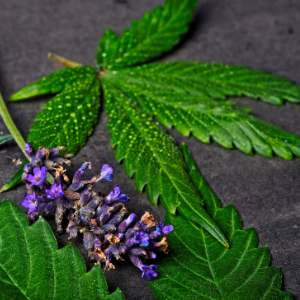
Flavor Profile
Related Posts

Synthetic Weed vs Real Weed: How to Tell the Difference & Why It Matters
Key Takeaways Synthetic weed and real weed may look similar, but their effects are completely different. Synthetic cannabinoids are lab-made chemicals sprayed on dried herbs, while real cannabis is a natural plant with biologically predictable effects. Synthetic weed carries major health risks. Its chemicals bind aggressively to brain receptors, causing unpredictable and sometimes dangerous reactions such as confusion, rapid heartbeat, mood swings, and organ complications. Real cannabis has been extensively studied. Its THC and related compounds follow consistent patterns in how they affect mood, memory, and cognition—making natural weed far more predictable and generally safer than synthetic versions. Appearance reveals important clues. Real cannabis has firm buds, natural trichomes, sticky oils, and recognizable aromas. Synthetic weed often looks like random dried herbs, may appear overly bright or dull, and can carry chemical or artificial smells. Natural cannabis is biologically stable. It doesn’t shift chemically from one batch to another the way synthetic blends do, making its effects easier to anticipate. Synthetic weed and real weed have a resemblance, but a significant difference in action. Synthetic weed has human-made chemicals that can cause immediate and severe health issues. Real weed comes from the plant, and its effects are better understood. Understanding the difference protects health. Being aware of the signs of real weed and synthetic cannabis can stop a person from using something unsafe. Understanding how synthetic marijuana affects the brain helps individuals stay informed and make safer choices. Synthetic weed comes in many different forms and frequently has the appearance of ground weed. However, once used, synthetic weed behaves very differently. A lot of people trying to compare synthetic marijuana vs real cannabis get confused, as the two products may look quite the same in a bag. The truth is simple. One comes from a naturally growing plant. One has substances sprayed on dried herb that have no association with fundamental cannabis biology. The dissimilarity affects safety and brain function. Finding out how to tell if weed is synthetic can protect your health since fake weed can create speedy and unusual responses. Here is the difference between the two types and why it matters. What Synthetic Weed Is and Why It Exists A synthetic weed is made when laboratories develop chemical mixtures designed to mimic the effect of natural cannabis. These chemicals do not grow in a plant. People spray these onto dried herbs. This looks like ground weed. But this lacks any plant structure. It also creates a fake weed plant, which can fool people who do not know the signs. People ask questions like 'Is Delta-8 THC synthetic?' and 'Is Delta-9 synthetic weed?' because the names have a ring to growing cannabis and farming crops. Some formulas derive from chemical alterations to plant compounds, while others originate from entirely new laboratory-synthesized ingredients. This mix leads to a lot of confusion. The chemicals in synthetic cannabis bind to brain receptors with great strength, producing sudden reactions. People who smoke synthetic weed can start to feel the effects quickly, and they may be intense. Because synthetic weed is a mix of chemicals, it acts in a way the body does not expect. Sometimes producers will change their formula without warning. When this happens, the effects in one package differ from those in the next. Synthetic cannabinoids differ a lot from real ones when it comes to safety. Synthetic cannabis products are ever-changing, unlike natural cannabis. These changes create high risks because we are unable to predict the power or the reaction. According to many health reports, these products can damage your brain and other organs. By familiarizing themselves with these dangers, individuals can stay away from a very severe health issue caused by synthetic weed. What Real Weed Is and How It Works The real weed is harvested from a natural plant that, through sunlight, soil, and natural biology, has developed structures and traits. When users look closely at synthetic marijuanas vs real weed, the main comparison is how the body reacts to each type of substance. When ingested, natural cannabis tends to cause the body to respond more predictably and steadily. Researchers have been looking into the natural effects of THC for many years, so they have established patterns for them. When looking for THCA weed, many wonder if it is the same as synthetic weed, which shows that natural THCA can be confused with synthetic THCA. The plant contains naturally occurring THCA, and it does not act like a chemical. Like real cannabis, there are risks, but the risks are consistently bad scholars. Fakes cannot compare with the real deal's smell, feel, and structure. This flower is cluster growing and sticky due to its natural oils. Natural cannabis is a mix of terpenes that create a clear scent. Synthetic cannabis smells weak or like a chemical mess because it is from unrelated plants sprayed in the lab. Scientists examine how THC affects mood, attention, and memory in natural cannabis studies. They can vary in their impacts, but they follow recognizable patterns. True cannabis does not change from batch to batch like synthetic products. The effects of synthetic marijuana vs real cannabis are predictable. This makes the case for the former being safer than the latter stronger. Although the actual cannabis is still affecting thinking and decision-making, the body also responds to it in a manner that has been scientifically documented for a long time. How Synthetic Weed Looks and Why It Can Mislead People Often, synthetic weed is made from small pieces of dried herbs. At first glance, these herbs may appear to be ground weed, as they are cut into small pieces. The colors don't always look quite right, sometimes looking too bright or too washed out. A real bud will have a shape and solidity, whereas synthetic marijuana appears as a cluster of leaves and plant debris. Products containing these herbs can leave artificial staining, patches, tiny bumps, or other clumps. When individuals observe closely, they may also see powdery patches with spray settled on them. A synthetic weed plant never grows naturally. It arrives already dried and coated with chemicals. As a result, it cannot resemble the structure of a real cannabis flower. Many blends use leaves from different plant types because they dry easily. If a weed doesn't have a natural shape, it can help someone learn that it's synthetic. The herbs can crumble too quickly or feel dry in an odd way. Some products also have artificial scents to mask the smell of natural cannabis. The plant material will never match the cannabis flower, and people are unlikely to care, as evidenced by the colorful designs that often adorn the bag. Because the product looks packed and ready for use, it is considered safe by some. This can mislead anyone unaware of the risks. Knowing these visual cues helps avoid confusing synthetic products with real cannabis. How Real Weed Looks and Why the Structure Matters Realistic cannabis comes with a well-structured plant that develops as the flower grows. The buds are clustered with visible fibers and natural crystals. These crystals come from the plant and have a sticky texture due to the plant's oil. A real bud is firm when held in a hand, whereas dried herbs break apart easily. The flower's oil gives the natural plant a straightforward scent. This smell is so distinctive that it makes real weed instantly recognizable once you know what to look for. Real cannabis usually has a soft green color with hints of orange, purple, and even tiny white crystals. These colors appear as part of the growth and will never look sprayed. When assessing real vs fake weed, the synthetic stuff may look flat, dull, or uneven. Depending on the herbs used, synthetic weed can sometimes look too uniform or too random. Light plays a role, too. Natural cannabis reflects light through its crystals. The synthetic cannabis is not shiny and bright because it doesn't have this structure. People wondering how to tell if weed is synthetic can look at the shape, feel, and smell of the bud. Authentic weed will almost always look like it comes from a real plant. A synthetic weed plant looks like herbs from the kitchen shelf. The difference between herbal and synthetic cannabis is important because it can help people avoid using synthetic cannabis, which can sometimes cause violent reactions in humans. How Synthetic Weed Affects the Brain Synthetic cannabinoids effects can hit fast and hard. Chemicals bind to receptors in your brain to produce a stronger effect. This can cause sudden mood shifts, visual changes, and body sensations. Many users say that the effect of synthetic weed on brain activity is extreme. Some people report feelings of confusion, fear, increased heart rate, and difficulty thinking clearly. These chemicals don't work like THC, and the brain won't know how to process them. There's a significant risk in how producers change formulas. One version may cause mild effects, and another may cause severe reactions. Users of synthetic cannabis cannot predict the outcome due to the frequent changes in chemicals. Changing one little thing in the formula can lead to completely different outcomes. The chemicals found in synthetic weed may be active in the brain longer than THC. They interrupt communication between nerve cells and alter how the nervous system operates. Some health reports warn that these chemicals may harm organs and lead to lasting brain harm. When it comes to the side effects of synthetic weed, it is important to listen to the risks. How Real Weed Affects the Brain The brain receptors receive a steady interaction from the plant THC. The effects develop slowly, and all follow familiar patterns. Depending on their natural response, people may feel relaxed, focused, or calm. These effects continue to shape our mindset and decision-making process, though not to the extent seen with the use of synthetics. People often wonder whether THCA is synthetic weed or if THCA is too complicated a natural herb or flower. THCA exists in the plant before it changes into THC. It acts differently from the synthetic chemicals produced in laboratories. Natural cannabis compounds have been studied for a long time, so researchers understand their effects fairly well. The real cannabis has more compounds that affect the brain and other parts of the body. These compounds do not bind to receptors as strongly as those from synthetic chemicals. This difference accounts for the fact that synthetic cannabinoids feel much stronger and less predictable than natural cannabis, regardless of dosage. Real cannabis can still influence learning, memory, and attention, although researchers have been studying these patterns for decades. This allows scientists to see the mind's reactions more clearly. When comparing synthetic weed vs weed, the latter produces more reliable effects because nature does not change formulas like laboratory compounds do. Why Synthetic Weed Poses High Risks Synthetic products often carry severe warnings because the chemicals they contain can change over time. A product that appears to be the same may not actually be the same, as the formula changes. One batch might be mild. Another batch could be potent enough to trigger drastic reactions. This uncertainty creates significant risk. Many producers try to change formulas to avoid legal rules. These changes can make the product even more unpredictable. Some mixtures have chemicals unknown to researchers. This makes it risky because no one knows how the body will respond. The heart, brain, and other organs may experience synthetic cannabis effects that do not occur with natural cannabis. Why Identifying Real vs Synthetic Weed Protects Health Knowing the difference between natural cannabis and synthetic weed helps in protecting your health. People don't realize they are using a product that contains synthetic chemicals. This confusion can lead to harmful reactions. A counterfeit cannabis plant does not resemble the actual marijuana flower at all, but someone who has never seen both may not know. By knowing the structure, color, texture, and scent, people can tell if the weed is artificial. Real cannabis grows in clusters with natural oils. Synthetic cannabis appears to be dried herbs that have been soaked in chemicals. Understanding these distinctions helps people avoid surprises. Synthetic marijuana and real marijuana both affect your brain, mood, and physical health. The effects of synthetic weed on brain can come on suddenly and vary by batch. When people learn how to detect synthetic products, it does not just protect the one checking the product. It will also help others who might not recognize these tell-tale signs. When we know the difference between real and synthetic weed, it helps people make safer choices and avoid accidental exposure to chemicals. Final Thought Synthetic cannabis may look like weed, yet it is completely different in terms of safety, impacts, and bodily effects when compared to real cannabis. True cannabis develops as a natural plant with characteristics that people can recognize. Synthetic marijuana is a chemical alteration that creates unpredictable effects. Knowing how to identify a synthetic weed plant and its risks can help limit health issues. When people understand the dangers ahead, they can navigate them safely. FAQ 1. How to tell if weed is synthetic? Synthetic weed lacks the shape of a natural bud. It appears that an assortment of dried herbs comes in various colors and may be sprayed. 2. Is Delta 9 synthetic weed? Delta 9 occurs naturally in cannabis. Some modified versions sold as alternatives might be produced in a lab. Natural delta-9 in the plant is not synthetic. 3. Is Delta 8 THC synthetic? While Delta-8 exists in nature, many commercial versions are lab-made. Even though they work on the same receptors, their similarities do not extend to the spheres. 4. Is THCA a synthetic weed? THCA forms naturally in cannabis. It does not act like synthetic chemicals. It belongs to the natural plant family. 5. What are the synthetic weed side effects? Sudden mood changes, confusion, or severe bodily pain may occur in people. These effects can vary because formulas change often. Links https://nida.nih.gov/research-topics/synthetic-cannabinoids https://www.healthline.com/health/medical-marijuana/benefits-of-marijuana
Learn more
Complete Guide to Cannabis Measurements: Understanding Grams to Pounds
Key Takeaways Grams are the foundation of all cannabis measurements. Every larger unit—eighths, quarters, ounces, and pounds—builds from grams. 1 gram of weed is the smallest purchasable amount and is ideal for beginners or sampling new strains. Common buying sizes include: Eighth (3.5g) Quarter (7g) Half-ounce (14g) Ounce (28g) 1 ounce = 28 grams, and it acts as the central reference point for understanding all other cannabis measurements. 1 pound of weed = 16 ounces = 448 grams, typically used for large-scale operations or bulk storage. Choosing the right amount depends on your usage habits, budget, and storage capacity. Prices decrease as quantity increases, meaning larger amounts like ounces or pounds offer the lowest cost per gram. Proper storage is essential. Smaller amounts are easier to keep fresh, while larger amounts require airtight, well-labelled containers. Cannabis measurements can seem perplexing at first, but an easy explanation can turn you into an expert. Grams form the base of all weed measurements. Everything from ounces to quarters, halves to pounds, is derived from this idea. When you understand how each measurement works together, you can take control of the buying process. Measurements of weed play a major role in how people purchase, store, and think about cannabis. Many first-time users don't know what exactly a gram, an ounce of weed, a quarter of weed, and a pound of weed are. While these amounts may sound familiar to you, how much they actually are is unclear to many. This guide breaks everything down in the simplest way. You will find out how each unit is connected, how much each weighs, and how so. We hope to give you confidence every time you see a number on a menu or a package. Starting small and moving to big. This graph makes the movement smooth and easy to follow. Let's walk you through every amount from 1 gram of weed to a full pound of weed so you can read any label with confidence. Understanding Weed Measurements From The Ground Up Measurements for weed are started in grams, and anything else is derived from that. A gram is the smallest amount you can buy, so it helps you imagine how much flower you will get before you buy anything. A gram of weed is a small amount to fill a small pinch in your hand. In most cases, it supports one or two short sessions. Grams are a great starting point for discovering new strains and figuring out how much you like to consume at once. After mastering grams, you will see how simple the rest of the weed measurements system is. You can combine grams to have familiar amounts like an eighth or a quarter of weed or even a full ounce of weed. As each quantity builds gradually, you can see how much you will have and how long your supply might last. Grams also help you compare products with confidence. When you know how many grams are in each measurement, you can use that information with any label or menu and know the size right off. Grams lay a good foundation for learning. Once you feel comfortable with grams, every other cannabis measurement comes naturally and easily. Grams Explained In Simple Language A gram is the first unit of weed measurements, and it offers the most basic way to grasp how much flower you're purchasing. When checking out a new strain or sampling cannabis for the first time, a lot of beginners go for 1 gram of weed. A gram is a tiny, useful but not invaluable amount, easily accommodated in any container. The piece is just enough for you to have one or two light sessions with it. Therefore, it is perfect to learn your preferences. People buy a few grams at a time when they aren't sure what they want. This allows them to experiment with different tastes, scents, or impacts without a collection. Once you feel at ease with one gram, you can explore quantities like 4 grams of weed or perhaps even 14 grams of weed. Four grams provide plenty for relaxed sessions and are good for anyone who enjoys cannabis with friends. Fourteen grams is half an ounce, for more value. You can conveniently budget and manage your supply with these simple gram-based amounts. When you understand how long each quantity will last, you can choose the right size for your habits and avoid buying more or less than you need. Understanding Eighths, Quarters, and Other Common Sizes After grams, most people learn about eighths, quarters, and halves. These sizes allow you to buy more product without going straight to a huge size. An eighth equals 3.5 grams. Plenty of folks find this size quite enjoyable because it lasts several days and offers good value. A quarter of weed equals 7 grams. This size is perfect for those who engage frequently or like to have something on hand. The phrase " how much is a quarter of weed" shows that many buyers of marijuana at all levels and experiences use this measurement. A half ounce equals 14 grams of weed. Those who get work done regularly often choose this size because it strikes a balance between cost and quantity. Various people either want to know the price of half an ounce of weed to compare deals or figure out the market value. These amounts form the core of everyday buying. If you take the time to learn all this, you become a master of your own shopping. Ounces Connect Every Measurement An ounce of weed sits at the center of all cannabis measurements, and it brings the entire system into clear focus. One ounce is 28 grams, and many people consider this the standard unit for a regular buyer. Understanding one ounce makes it easy to compare everything else. The entire system stabilizes when the ounce is included. Many common questions connect back to ounces. People frequently ask how many grams are in a quarter of weed or how many grams in a half pound of weed. One half-ounce is equivalent to 14 grams. Sixteen ounces make up a pound. Knowing this makes these questions seem simple. The one piece of knowledge helps you to break down larger amounts and build up smaller amounts without mixing them up. An ounce can be divided cleanly and predictably into halves, quarters, and one-eighths. So, like, if you get a half-ounce, you get 14 grams; a quarter gets you 7 grams; and an eighth gets you 3.5 grams. You can also move upward with ease. A quarter pound is 4 ounces, 8 ounces is a half pound, and 16 ounces is a pound. When you look at the bigger picture, you feel very much in control of your choice and your supply. Moving From Ounces To Pounds With Confidence A pound of weed is the highest measurement. It gives you the most common term people use in the weed world. A pound is equal to 16 ounces or 448 grams, so it is a fairly decent size compared to the smaller amounts most people buy for personal use. Those working in bigger operations generally deal with pounds as they scale up their batches. However, consumers hear this sometimes and want to know more about it. A lot of people ask how many grams is a pound of weed, but some merely wonder what a full pound actually looks like. Pounds are important units of measurement in the cannabis world. This knowledge helps you to get a good idea of how the system builds from the smallest to the largest unit, even if you never plan to buy that much at once. A full pound of weed is quite a lot of flower. People will tell you that a pound is often enough to fill many jars, bags, or containers. When you picture stacking ounces until you reach 16, the size becomes much clearer. When you break everything down, pounds don't seem so scary. You start with grams. Those grams build into ounces. Those ounces stack into a pound. This simple journey enables you to trace significant strain with confidence and appreciate how the full measuring system connects. How to Select the Most Suitable Cannabis Measurement for You How often you enjoy sessions, your habits, and your budget all affect your perfect amount. A 1-gram or 3.5g weed amount is ideal for beginners or for someone who wants variety. Try as many strains as you like without spending your budget. People who like to have a smoke or two throughout the week are best suited to 7 or 14 grams of weed. These amounts offer a nice balance. Bulk buying is perfect for people who enjoy sourcing a consistent and plentiful supply. Most individuals benefit a lot from larger amounts. For example, an ounce of weed or even several ounces is often perfect for someone who uses regularly. Further, it helps them avoid trips to the store. Larger sizes also give many people better value per gram. In the world of big cannabis operations, having half or a full pound of weed is quite common. The amounts are useful for large-scale preparation or storage. These sizes equip users to manage large amounts without running out. When you align your buying patterns with your measurement needs, you maintain a steady, predictable supply. When you understand how each sum helps you, making choices becomes easier. Measurements Affect Storage, Freshness, and Usage Your weed stays fresh when stored correctly. Small amounts like 1 gram of weed are easy to manage. You can finish them before they lose flavor or aroma. Store your strains in a clean container with a tightly sealed cover. You can keep them in a cool, dry place that is protected from air and light. Amounts like ounces and pounds require more effort to concentrate. You must store these amounts with care as they provide a long-term supply. Use airtight jars or bags to keep your flowers fresh. Storing a large amount of weed can be done using smaller, divided containers. You can also label every container for efficient freshness tracking. When you know weed measurements, you know how long each amount is likely to last. Your usage habits guide your storage choices. Keeping your weed in a clear storage will ensure that every session is enjoyable. How Prices Relate To Weed Measurements Prices vary widely depending on the size you choose, so measurement knowledge is very important. The smaller the amount you buy at one time, the more it costs per gram. A single gram or even 4 grams of weed will give you flexibility, but the price per gram generally sits higher than that of larger amounts. Many shoppers compare the cost of things like how much a quarter of weed costs or how much 4 grams of weed costs, as they want a size that fits their budget and current needs. Medium sizes often give better value. An eighth or a quarter gives you a steady supply without taking too much from your budget. These amounts help many people keep a nice balance between cost and quantity. They also make planning easier because you know how long each amount will last. Larger sizes give you even more value. One or a half-ounce often brings the lowest price per gram, which is why steady users prefer them. Many people often ask how much half an ounce of weed is because they want to know the total amount and the cost per gram before they choose. Very large sizes, like a half or a full pound, offer the best value per gram. These amounts work for people wanting a long-term supply. Once you understand weed measurements, you'll be able to compare prices with confidence and choose the size that offers the best value for your lifestyle. Final Thought It is easy to measure weed once you know how grams relate to bigger sizes. Weed, whether in 1-gram quantities or full pounds, follows the same straightforward structure. When you know grams, eighths, quarters, halves, ounces, and pounds, you make smarter buying decisions. Furthermore, you can store the cannabis with greater ease, knowing how long each quantity can last. When you learn more, you feel confident reading labels, comparing prices, and planning your next purchase. Hang onto this guide as you discover new options for yourself and gain clarity at every turn. Frequently Asked Questions 1. How many grams are in a quarter of weed? A quarter contains 7 grams. This amount can strike a balance between price and size that many people prefer. 2. How many grams are in an ounce? An ounce contains 2 grams. You can easily break one ounce down into halves, quarters, and eighths. 3. How much is 4 grams of weed? Four grams give you enough for several sessions. Many people choose this size for short-term use. 4. How many grams is a pound of weed? A pound contains 448 grams. This amount sits at the top of the measurement scale. 5. How much is 14 grams of weed? Fourteen grams equal a half ounce. This amount works well for users who appreciate a steady hit throughout the week.
Learn more
Can You Smoke Weed Stems? THC Content, Risks & Better Alternatives
Key Takeaways You can smoke weed stems, but you shouldn’t. They produce harsh, irritating smoke and carry a higher risk of respiratory discomfort compared to cannabis buds. Weed stems contain extremely low cannabinoid levels. Their THC content typically ranges from 0.1%–0.5%, far below the 15%–30% found in buds—making stems ineffective for getting high or providing therapeutic effects. Most of cannabis’ beneficial compounds—THC, CBD, and terpenes—are concentrated in the buds. Stems contribute very little to aroma, flavor, or wellness benefits. Weed stems aren’t useless. You can repurpose them to make teas, tinctures, topicals, cannabutter, or even use them for compost or homemade wicks. Smoking stems offers virtually no benefits and exposes you to unnecessary risks. Stick to properly cured, high-quality cannabis buds for a safe and enjoyable experience. Humans have consumed cannabis for millennia to alleviate various ailments. According to archaeological findings uncovered a few years ago, several Asian cultures administered marijuana extracts medically from as far back as 2800 BC. That’s enough to make weed one of the oldest medicinal herbs known to humankind. Although cannabis was originally treated with skepticism, emerging studies have corroborated most of the plant’s therapeutic claims. Weed has since become the choice herb for thousands of wellness enthusiasts looking for alternative remedies for common ailments. Besides, regulators in various jurisdictions have responded by relaxing their once-punitive marijuana laws. This has further democratized access to weed supplements. So popular is cannabis that many newbies think they can safely consume every part of the plant. While that’s technically possible, it’s not exactly recommended. This post examines the effects and potential risks of smoking weed stem. What Do Weed Stems Look Like? Cannabis is a flowering plant like any other. It produces roots, stems, branches, and flowers/buds. Weed stems are the rigid stalks that grow upwards from the roots, supporting the upper parts of the plant (branches, leaves, and buds). Marijuana stems are highly fibrous. That explains their widespread usage in the textile industry. Visually, cannabis stems are typically green. The actual color will depend on a plant’s genetics, cultivation methods used, and the ambient light conditions. Common shades besides green include purple, pink, and even red. Weed stems also vary in their density. For instance, indica-leaning strains typically produce thicker stems with dense foliage. Indica species also tend to be shorter. In contrast, sativa-dominant strains produce thinner, taller, and less woody stems. Can You Smoke Weed Stems? New cannabis initiates often consider every part of the tree as fair game. After all, marijuana’s bioactive compounds are spread throughout the plant, albeit to varying degrees. But can you smoke weed stems? Well, you technically can smoke cannabis stems. There’s no record of anyone who dropped dead by inhaling the cigarette smoke from marijuana stalks. However, there are severe health risks to be aware of. Cannabis stems produce harsh smoke, which can irritate your throat and lungs. Throat/lung irritation symptoms include coughing, soreness, dry mouth, and headaches. Besides, cannabis stems are high in plant fibrous materials like cellulose. Burning these compounds can produce a bitter, unsavory smoke. Not the best way to relish your cannabis dosage! But perhaps the biggest drawback to smoking weed stems is that you won’t derive meaningful therapeutic benefits from it. Note that most of the weed’s useful bioactive chemicals are concentrated in the buds. In contrast, stems provide negligible amounts of these compounds. Marijuana stalks are notably low in cannabidiol (CBD) and tetrahydrocannabinol (THC), the plant’s most dominant cannabinoids. Cannabidiol is the most popular non-psychoactive compound in weed, associated with multiple health benefits. Findings have shown that CBD might help soothe pain, quell nervousness, and boost sleep. Other common applications might include alleviating inflammation, improving erectile dysfunction (ED), and regulating appetite. Now, cannabidiol delivers near-similar therapeutic effects as tetrahydrocannabinol. The principal difference is that THC contains additional mind-altering properties. Smoking CBD flower is also a delightful experience due to the concentration of aromatic compounds in cannabis buds, known as terpenes. Terpenes give cannabis extracts their distinct scents and tastes. Most of these compounds also work synergistically with cannabinoids to deliver compounded therapeutic effects. Common terpenes in weed flowers include: Terpene Signature Aromas/Flavors Potential Therapeutic Effects Myrcene Earthy, herbal, or musky Relaxing Limonene Citrusy Uplifting Pinene Piney or woody Vasodilating Linalool Floral or lavender-like Soothing Caryophyllene Spicy or peppery Anti-inflammatory Humulene Earthy or woody Analgesic How Much Cannabinoid Is In Weed Stems? Tetrahydrocannabinol is the most abundant cannabinoid in natural marijuana plants. Therefore, the compound can offer a realistic comparison between the cannabinoid profiles of weed buds and stems. Which begs the question - do marijuana stems contain THC? Cannabis stems typically contain 0.1% to 0.5% THC. Comparatively, the buds can produce 15% - 30% THC. The actual composition will depend on a plant’s strain. Weed stems contain even fewer amounts of trace cannabinoids. Unknown to many, marijuana produces dozens of other therapeutic compounds besides THC and CBD. Examples include cannabigerol (CBG), cannabinol (CBN), cannabichromene (CBC), cannabidiolic acid (CBDA), and tetrahydrocannabinolic acid (THCA). Normal cannabis buds contain rare amounts of these cannabinoids. So, you’ll be hard-pressed to detect them in weed stems. But why are weed stems low in cannabinoids? Cannabis stems provide structural support. Producing plant resins isn’t their primary role, which explains their low concentration of cannabinoids and terpenes. Better Alternatives to Smoking Weed Stems As mentioned, marijuana buds contain most of the plant’s bioactive compounds. They’re the best alternative to smoking weed sticks. Cannabinoids are notably concentrated in trichomes. Trichomes are the hairy, crystal-like glands that coat cannabis buds. Besides adding a shimmering touch to weed flowers, these resinous appendages produce and store cannabinoids. Always choose CBD flower strains that are visibly high in trichomes. The frostier the appearance, the more desirable the flower is. What to Do With Weed Stems Weed stems aren’t entirely useless. Rather than chuck the stalks into the trash, you can repurpose them to extract residual cannabinoids. Here’s what to do with cannabis stalks after harvest. 1. Prepare Cannabis-infused Tea Decarboxylate a generous amount of fresh cannabis stems. Decarboxylation refers to heating cannabis extracts to activate cannabinoids. It typically converts inert CBDA into CBD, and THCA into THC. The quickest way to decarboxylate cannabis stems is by heating them in an oven. Grind the decarboxylated stem. Scoop a teaspoon of the ground-up material and add it to a tea diffuser or boiling water. Let the mixture boil for about 10 minutes. Pour the mixture into a clean container through a cheesecloth or strainer. If you’re averse to marijuana’s natural taste, you may want to sweeten your weed stem tea. Honey or regular sugar will do. Note that cannabinoids are fat-soluble. To enhance your weed stem tea’s bioavailability, infuse it with oil-containing compounds like coconut oil, butter, or milk. Enjoy! 2. Make Cannabis Tinctures Decarboxylate cannabis stems. Obtain a measured amount of weed stalks from the decarboxylated mass and add them to a clean jar with an airtight lid. You may grind the material into powder or moderately crush it. Besides, consider a darker container to minimize ultraviolet (UV) degradation. Add a high-proof alcohol, such as ethanol, to the container. Close the lid and place it in a cool, dry, and dark room. Let the mixture sit for 3 - 4 weeks, shaking the jar once daily. Pour the mixture into another container through a cheesecloth or strainer. Discard the plant materials and funnel the tincture into a dropper bottle. Administer as required. NOTE: Tinctures are generally more potent than teas. Although weed stems contain negligible amounts of cannabinoids, administer the extracted tinctures sparingly to avoid severe adverse effects. 3. Whip Cannabutter Decarboxylate cannabis stem. Grind the carboxylated stems into a soft powder. Don’t overgrind the material. Very fine powder may easily burn. Add the ground material to a skillet and introduce a measured quantity of regular butter. Let the mixture melt, simmering at low heat for about 45 minutes. Strain the mixture to remove the plant materials. Refrigerate the butter until it hardens. Add the butter to your recipes - making brownies, baking flatbread, preparing mashed potatoes, etc. You can use cannabutter instead of or in addition to your regular butter. 4. Make Topicals Decarboxylate cannabis stems. Crush the decarboxylated stems or grind them into a fine powder. Infuse the material into organic oils (coconut oil, olive oil, etc.) to prepare homemade lotions. Common topicals you can prepare with weed sticks include lotions, ointments, salves, shampoos, and lip balms. Weed stem topicals may help treat dermatological conditions like acne and psoriasis. Besides, you can administer them to relieve arthritis pain, post-workout muscle soreness, and joint inflammation. Other Applications Besides preparing therapeutic compounds, cannabis stems may serve as raw materials for making wicks. Strip fresh marijuana stem and carefully twist it into a string. Next, coat the strings in beeswax to create organic wicks. If you’re a full-time cannabis grower, you can repurpose weed stems into compost. Crush the stalks and mix them into your garden compost to nourish the soil ahead of the following planting season. Choosing the Best Cannabis Flower Marijuana buds aren’t made equal. To enjoy the therapeutic benefits, you’ll need to find high-quality flowers. First, establish if you can legally access CBD flower online. The enactment of the 2018 Farm Bill legalized hemp-derived cannabidiol extracts containing a maximum THC potency of 0.3% at the federal level. However, every state maintains unique cannabis laws. Strive to understand the marijuana regulations in your jurisdiction before shopping for cannabis flower. Next, implement the following pointers to assess the product’s quality; Visual Appearance Healthy cannabis buds should appear in a brilliant green or purple color. Pink or red undertones are acceptable. Shun dull flowers, particularly those that appear with brownish or yellowish tints. Besides, look out for evidence of mold infestation. White or gray spots are your cue to look elsewhere. Texture Fresh buds should feel sticky to the touch. Ensure the flowers are firm and slightly airy, as opposed to loose or marshy. Usually, a texture test is only possible after purchasing cannabis flowers. If you’re new to a brand, make small orders initially to test-drive their products. Flavor and Aroma All cannabis strains have distinct aromas and flavors. Options include earthy, musky, gassy, citrusy, spicy, and piney. As mentioned, a weed’s actual taste depends on its chief ingredients. Shun flowers that deliver harsh flavors. Remember, that’s one of the drawbacks to smoking cannabis stem. Fortunately, you don’t have to smoke cannabis flowers to conduct a scent test. Simply smell the buds for any musty odors. Quality Assurance The most reliable way to vouch for cannabis’ quality is to check for evidence of laboratory tests. A best practice in the marijuana industry, lab testing validates each batch’s cannabinoid composition. It also reveals the presence of contaminants in a product. Look out for cannabis flowers available with certificates of analysis (CoAs) from independent laboratories. Then, read the report carefully to understand the dominant cannabinoids and potential toxins in the product. How to Maximize the Effects of Smoking Cannabis Flowers 1. Grind the Flowers Ground cannabis flower burns more uniformly. However, don’t grind the buds into a fine powder. Grind them rough or crush them instead. Then, administer the plant material into your joint, pipe, or dry herb vaporizer. 2. Choose Proper Accessories Many cannabis users consider vaping a healthier alternative to smoking, due to the absence of combustion. Vaping delivers a cleaner experience. It produces more intense flavors and delivers a smoother throat hit, making it comfortable even for newbies. If you prefer smoking, consider a glass pipe or bong instead of a traditional joint. Pipes and bongs utilize water filtration, which delivers a cleaner vapor. 3. Use Sparingly Mindful dosing applies to all cannabis extracts. Whether derived from flowers or weed stems, weed compounds are most effective if moderately consumed. Note that cannabis has no ideal dosage. Serving portions can vary by your age, body chemistry, and experience level. Regardless, stick to the lower end of your dosage spectrum. It helps prevent any adverse effects. 4. Store Your Stash Safely Cannabis buds have a maximum lifespan. However, you can implement certain storage guidelines to extend the flower’s durability. First, purchase weed flowers in premium packaging materials. The products should preferably come in dark bottles with airtight lids. Next, store your cannabis buds in a dark room. Keep the storage location dry and well-ventilated. Remember to also handle your cannabis stash with clean hands. This minimizes contamination. Wrap Up Cannabis stems are high in plant fibers and potential toxins. However, the stalks are notably low in essential cannabinoids. Smoking weed stems won’t provide meaningful therapeutic benefits. On the contrary, it can increase the risks of various respiratory illnesses. Smoking weed stems is particularly unsafe, considering that cigarette smoke inherently contains toxins like carbon monoxide and formaldehyde. Resist the urge to smoke cannabis stems and insist on cannabinoid-rich buds instead. However, choosing weed flowers over stems isn’t enough. Insist on high-quality buds. Fresh cannabis buds should appear in vibrant shades of green to purple, depending on the strain. The flowers should also appear frosty and feel a little sticky. That indicates an abundance of trichomes. If you’re in doubt, look for proof of laboratory testing. An analytical report from an independent laboratory validates a flower’s safety and cannabinoid composition. FAQs 1. Can you smoke weed stems? Marijuana stems are lower in cannabinoids but higher in potential toxins, making them unhealthy to smoke. 2. Can you smoke weed leaves? While weed leaves are safer than stems, they’re still lower in THC than the flowers. 3. Is there THC in leaves and stems? Cannabis leaves and stems contain lower THC levels than buds, usually 2% and 0.5% max, respectively. 4. Can you get high from weed stems? The euphoria from smoking weed stems is mild and nearly imperceptible. Reference Links: https://journals.sagepub.com/doi/abs/10.1177/02537176221109272/ https://www.socotec.co.uk/media/blog/lab-cannabis-testing/ https://westwoodfarmacy.com/blog/2024/7/11/5-ways-to-use-leftover-weed-stems-to-maximize-your-cannabis/ https://www.healthline.com/health/can-you-smoke-weed-stems/ https://leafwell.com/blog/can-you-smoke-weed-stems/
Learn more