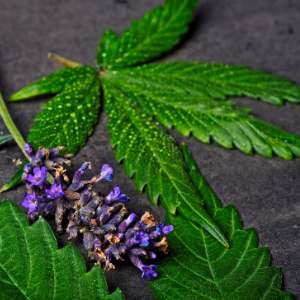
When it comes to cannabis, the experience is not just about the effects—it’s also about the journey of the senses, particularly the flavors that each strain brings to the table. THCa flower, known for its raw and unheated form, offers a unique and rich flavor profile that distinguishes it from other cannabis products. In this blog post, we’ll dive into the world of THCa flower, exploring its flavor nuances and what makes it a favorite among cannabis connoisseurs.
What is THCa Flower?
Before we get into the flavors, it’s essential to understand what THCa flower is. Tetrahydrocannabinolic acid (THCa) is a non-psychoactive cannabinoid found in raw and live cannabis. Unlike THC, which is the well-known psychoactive component, THCa does not produce a high until it is heated (a process known as decarboxylation), which converts it into THC. Many enthusiasts prefer THCa flower for its potential medicinal benefits without the intense psychoactive effects, as well as for its fresh, unaltered flavors.
The Flavor Profile of THCa Flower
THCa flower offers a fresh and dynamic flavor profile that can vary significantly depending on the strain, growing conditions, and curing process. Below are some of the key flavor notes you might encounter when enjoying THCa flower:
1. Freshness and Floral Notes
One of the most prominent features of THCa flower is its freshness. Because the flower is often consumed raw or minimally processed, it retains a crisp, vibrant quality that’s often lost in traditional dried and cured cannabis. Floral notes are common, with some strains offering hints of lavender, rose, or chamomile. This freshness can be particularly appealing to those who enjoy a lighter, more natural flavor.
2. Herbal and Earthy Undertones
THCa flower frequently exhibits herbal and earthy undertones, reminiscent of freshly cut herbs, rich soil, and pine. These flavors are typically more pronounced in strains that have been grown in organic, soil-rich environments. The earthy notes can range from subtle to robust, adding depth to the overall flavor experience.
3. Citrus and Fruity Zest
Citrus and fruity flavors are common in THCa flower, especially in strains that are high in certain terpenes like limonene and myrcene. These flavors can range from sharp lemon and orange zest to sweeter notes of berries, mango, or even tropical fruits. The presence of these flavors not only enhances the sensory experience but also reflects the flower's high terpene content, which is often associated with specific therapeutic effects.
4. Spicy and Peppery Kicks
Some THCa strains carry a spicy or peppery kick, which can add a delightful contrast to the more floral or fruity flavors. This spiciness is usually attributed to the presence of terpenes like caryophyllene, which is also found in black pepper, cloves, and cinnamon. The spicy notes can range from a subtle warmth to a more intense, tingling sensation on the palate.
5. Sweet and Creamy Finish
For those with a sweet tooth, certain THCa strains offer a creamy, sweet finish. These flavors might remind you of vanilla, honey, or even a buttery pastry. The sweet notes often balance out the more pungent or earthy elements, providing a well-rounded flavor profile that lingers pleasantly after each inhale.
Why the Flavor Profile Matters
The flavor profile of THCa flower is more than just a sensory delight—it can also be a guide to the strain’s potential effects and benefits. The specific terpenes that contribute to the flavor profile also play a role in how the strain interacts with the body. For instance, a citrusy flavor profile might indicate a strain that’s uplifting and energizing, while earthy and herbal notes might be associated with more relaxing effects.
For cannabis enthusiasts, exploring different flavor profiles is part of the fun. It allows you to discover which strains resonate most with your personal preferences and therapeutic needs.
Conclusion
THCa flower offers a unique and rich flavor experience that sets it apart from other forms of cannabis. Whether you’re drawn to the fresh floral notes, the earthy undertones, or the zesty citrus flavors, there’s a THCa strain out there that’s sure to tantalize your taste buds. As you explore the world of THCa flower, take the time to savor the flavors and consider how they contribute to your overall cannabis experience.
So next time you light up or consume THCa flower in its raw form, remember to pay attention to the flavors—it’s all part of the journey.

Flavor Profile
Share this article
Related Posts
Indoor vs Outdoor THCA Flower: Potency, Quality & Price Compared
Key Takeaways: Outdoor THCA flowers are larger and bulkier, while indoor flowers are smaller but heavily compacted Outdoor flowers appear darker and tanner, while indoor flowers are more brilliant Outdoor THCA flowers offer diverse therapeutic applications, while indoor flowers provide fast-acting, high-potent effects Flavor is quite nuanced for outdoor THCA flowers, but more enhanced for indoor flowers Indoor THCA flowers boast higher purity due to fewer environmental and chemical contaminants The highly regulated indoor environment yields THCA flowers of consistent cannabinoid quality and potency Indoor growing fosters better THCA strain preservation than outdoor growing Outdoor THCA flowers may become climate-resilient over time, while indoor THCA flowers are continually shielded from extreme weather fluctuations Outdoor growing is weather-restricted, while indoor growing supports year-round cultivation Outdoor THCA flowers benefit from natural environmental factors like sunlight, while indoor growing fosters better security and privacy For decades, marijuana cannabinoids were synonymous with CBD and THC. The two compounds rose to prominence for their potent effects and high abundance in raw cannabis extracts. However, research has since uncovered over 100 other phytocannabinoids in weed. Most of these are minor cannabinoids like CBG (cannabigerol) and CBN (cannabinol). But some, such as THCA, are reasonably abundant. Short for tetrahydrocannabinolic acid, THCA is a non-psychoactive chemical precursor to the famously intoxicating THC. The compound is a top preference for cannabis enthusiasts seeking to unlock the herb’s healing benefits without enduring its mind-altering properties. Tetrahydrocannabinolic acid is highly abundant, sometimes accounting for up to 90% of raw cannabis extracts. However, the compound readily converts to THC when heated. That explains why much of the inhaled cannabis smoke or vapor contains more THC than THCA. While largely unknown before the 2018 Farm Bill, THCA products have quickly become a raging trend. Many growers have jumped in to capitalize on the surging demand for these novel cannabis formulations. Numerous THCA strains have since emerged, each delivering distinct effects. For most cultivators, the biggest dilemma is whether to grow THCA-rich cannabis plants indoors or outdoors. We’ve prepared a comprehensive indoor vs. outdoor THCA flower comparison to help you pick between the better growing environment. What Is Indoor THCA Flower? Indoor THCA flower refers to THCA strains grown in enclosed, climate-controlled environments like tents and warehouses, using artificial lighting. For the uninitiated, THCA (tetrahydrocannabinolic acid) is a non-psychoactive cannabinoid that has generated tremendous attention following the 2018 Farm Bill’s legalization of hemp-derived cannabidiol (CBD) products. All cannabis plants are significantly high in THCA. While actual potency varies, live flowers may contain up to 90% of this cannabinoid. The concentration reduces considerably post-harvesting, eventually averaging 20% - 30%. THCA exists as a chemical precursor to THC. Although the compound is inherently non-psychoactive, it converts to a mind-altering compound when oxidized or decarboxylated. What Is Outdoor THCA Flower? Outdoor THCA flower is the direct opposite of indoor flower. These are THCA-rich cannabis plants that thrive in natural, unsheltered environments. Unlike indoor THCA flower that relies on artificial lighting, outdoor strains are sun-grown. They depend primarily on prevailing weather conditions, often requiring just supplementary effort from growers. Years ago, many people couldn’t agree on whether it’s best to grow weed indoors or outdoors. However, there’s almost an unwritten consensus that indoor cultivation yields superior-quality buds (plus other associated benefits). But, how factual are those assessments? Indoor Vs. Outdoor Cannabis Flower Comparison 1. Bud Size Outdoor THCA plants encounter fewer spatial restrictions. They can grow dense foliage and expand into massive canopies, eventually churning out chunkier buds. Flower size is a critical consideration for commercial weed growers. With more ounces per bud, producers can comfortably price their products a little high and remain competitive. However, bud size doesn’t necessarily correspond with quality. Smaller indoor-grown THCA flowers might turn out to be remarkably more potent than their bulkier outdoor counterparts. Besides, indoor growers can implement certain techniques to optimize flower quality and yield volume. Maintaining optimal lighting, temperature, and air circulation consistently can get indoor THCA strains to produce buds that are just as dense and heavily compacted as outdoor flowers. 2. Bud Color Cannabis flower’s color isn’t just for the ops. It’s a critical distinction point between top-shelf and low-quality THCA products. Plants exposed to the outdoor environment receive unhindered sunshine. Light facilitates photosynthesis, which explains why many outdoor buds appear in brilliant shades of green. Some THCA strains may also exude purple, red, or violet tones. These pigments suggest high anthocyanin concentration, and often point to superior genetics. However, outdoor cannabis plants generally produce darker shades than indoor-grown strains. That’s due to unregulated sunshine, which may cause the delicate flowers to tan and lose their otherwise brilliant hues. Vibrant green or purple colors, punctuated with a sparkly trichome coat, characterize indoor THCA flowers. Note that excess sunshine may also degrade marijuana’s cannabinoids and terpenes. Through optimal light regulation, indoor plants yield visually appealing, high-potency flowers. 3. Cannabinoid and Terpene Concentration Whether you’re growing THCA flowers indoors or outdoors, you’ll want to start with a superior gene. Research carefully and pick strains with the highest expression of tetrahydrocannabinolic acid. But that’s not all! The choice of growing environment will ultimately determine the plant’s final chemical composition. By cultivating THCA strains indoors, growers have greater control over the environment. Indoors eliminates natural factors that could interfere with cannabis quality, such as acid rain and soil contamination. Besides, the enclosed space is an effective deterrent against pests and insects. Plants are exposed to fewer pesticides and herbicides, resulting in flowers laced with minimal biological contaminants. Less impurity makes indoor THCA flower potency superior to outdoor-grown strains. Some may contend that the outdoors offer greater cannabinoid diversity, with flowers generally producing more rare sesquiterpenes. While that’s true, indoor-grown THCA strains pack more cannabinoids and terpenes per bud size. 4. Photo-induced Quality Degradation Sunlight is essential for cannabis growth. But an excess of it can be detrimental, causing wilting and eroding flower quality. Outdoor ultraviolet light comes in three different forms, namely UVA, UVB, and UVC. UVA constitutes around 3% of the sunlight photons that enter the Earth’s atmosphere. It supports plant growth and pigmentation, presenting no harm to THCA strains. UVB makes up 0.15% of the sunlight photons. This spectrum is relatively harmful and can damage a plant's DNA, although findings have shown it may trigger secondary metabolite production to produce flavorful buds. Lastly, UVC is highly destructive and rarely penetrates the Earth’s atmosphere. Now, ultraviolet light activates stress response in cannabis. The plant responds by synthesizing more protective chemicals, notably terpenes. While much of the DNA-damaging UVB and UVC is filtered out, some still penetrates the earth and may alter the THCA flower’s chemical composition. A safer alternative is to switch to indoor cultivation. Many grow lights come with UVA bulbs, which mimic natural sunlight. This fosters healthy plant growth without exposing THCA flowers to the damaging effects of UVB and UVC. 5. Terpene Stability Terpenes are volatile organic compounds (VOCs) whose stability depends on the ambient environmental conditions. Although outdoor-grown THCA flowers churn out more rare sesquiterpenes, erratic weather patterns may cause these compounds to evaporate. The indoors provides a more stable grow space. Growers manually increase the ambient temperature to accelerate vegetative growth and reduce it when flowers come to bloom. This enables a THCA strain to produce more terpenes while minimizing the amount of these aromatic compounds lost via evaporation. To enhance terpene quality, indoor growers may also incorporate nutrient-dense mulch and embrace a regular watering cycle. Natural fertilizer doesn’t just nourish THCA flowers. They also provide a breeding ground for beneficial plant microorganisms, such as arbuscular mycorrhizae. 6. Pest and Disease Control Cannabis is one of the hardiest herbs, with its native range spread throughout the arid deserts of Central Asia and the Middle East. Marijuana’s resilient reputation has led many to deduce that the plant can thrive anywhere with minimal human supervision. But the reality is starkly different, particularly for delicate THCA-producing strains. One of the notable outdoor THCA flower benefits is that you can benefit from reduced artificial watering during spring. On the flip side, your plants are highly vulnerable to agricultural pests like aphids. The absence of an enclosed shelter means all manner of pests can crawl into your garden and nibble on tender cannabis buds. Besides causing stunted growth, many crop pests are also disease vectors - a double-pronged blow for commercial weed growers. Growing cannabis in enclosed spaces reduces pest infestation. With proper humidification and dehumidification, you can effectively minimize diseases caused by moisture-loving pathogens like mold and mildew. Commercial Benefits of Indoor Growing 1. Total Environmental Control Cultivating THCA indoors provides complete control over the growing environment. Rather than being at the mercy of nature’s vagaries, indoor cultivation lets you adopt the ideal growing conditions more effectively. You can adjust light cycles and temperature more precisely to meet your plant’s requirements. No need to rely on natural environmental factors, which can fluctuate without warning. By taking complete control over the growing environment, you can produce richer flowers and benefit from high price adjustments. However, note that each THCA strain is unique. Be sure to implement the growing conditions specific to your breed. 2. Protection From Environmental Stressors and Prying Eyes Undesirable light spectrum, fluctuating temperatures, and uncontrolled precipitation can hamper indoor cannabis plants significantly. But they’re not the only things to beware of. As noted, growing THCA outdoors also exposes your plants to pests. These unwelcome critters can reduce outdoor hemp flower quality directly by nibbling on the flowers and leaves, and indirectly by spreading plant diseases. For delicate strains, a single pest infestation can cause devastating crop failures. Indoor growing cushions your tender flowers against external environmental stressors, from adverse weather to pests and diseases. Fewer pest infestations reduce the costs associated with frequent pest control. It also minimizes exposure to the toxic chemicals in synthetic pesticides, yielding high-potent buds. Besides, growing THCA flower indoors keeps your plants from curious neighbors and passersby. 3. Consistency and Genetic Preservation Maintaining consistent quality with each cannabis harvest is a monumental challenge for most outdoor growers. Even with genetically stable strains, there will always be noticeable variances in effects after each harvest. As indoor growing lets you control various environmental aspects, you can achieve remarkable quality consistency each time. Indoor-grown THCA flowers deliver consistent therapeutic benefits and aromatic experiences. Unless you introduce new strains, the effects from subsequent harvests will feel identical to the previous ones. Growers can accurately forecast yield volumes, as consumers predict the THCA potency. Frequently Asked Questions What is the difference between indoor and outdoor THCA flower? Indoor THCA flowers are cultivated in sheltered enclosures under precise climate control, while outdoor flowers grow in the natural outdoor environment. Why is indoor THCA flower usually more expensive? Indoor growing yields more potent and genetically stable THCA flowers than outdoor-grown strains, which explains their higher price tags. How does the cultivation method affect THCA potency? Cultivating cannabis indoors enables growers to optimize light and nutrients while reducing environmental stressors, resulting in high-potency THCA flowers. What factors influence the flavor of outdoor cannabis flower? Indoor growing allows for precise utilization of UVA-emitting bulbs, which facilitates terpene production. This leads to fuller and more complex flavors. Is indoor THCA flower more potent than outdoor? Indoor-grown THCA flower is more potent than outdoor strains due to its denser cannabinoid and terpene profile. Why is outdoor THCA flower cheaper? Outdoor THCA flower is usually cheaper due to its lower therapeutic efficacy and less intense aromas. Which has better flavor: indoor or outdoor THCA flower? While the outdoors yield THCA buds with nuanced genetics, indoor growing guarantees high-potency, tasty flowers. Bringing Out the Green Thumbs in You With Indoor THCA Flower Production Cultivating THCA strains indoors provides unparalleled control over the growing environment. You can work out a more practical light and watering schedule, depending on the grow space’s condition. Indoor growing also yields superior-quality flowers. While outdoor buds may appear larger due to limited spatial restrictions, flowers raised in indoor spaces often deliver more enhanced therapeutic effects and intense aromas. We can also compare indoor vs. outdoor THCA flower by their average purity. As indoor plants are exposed to fewer environmental stressors like acid rain, resultant buds are incredibly lower in contaminants. Moreover, there are commercial benefits to accrue by producing THCA strains indoors. Examples include year-round cultivation, increased annual yield volumes, enhanced safety & privacy, and the ability to maximize the growing space. However, the contest should be less about which growing environment you prefer and more about choosing superior plant genetics and implementing the ideal growing conditions. Research a THCA strain extensively before adding it to your cannabis garden. Focus on a cultivar’s genetics and environmental resilience. Then, implement the perfect conditions to fast-track harvest time and maximize yield volumes.
Learn moreExotic THCA Flower Guide: Rare Strains, Potency & Flavor
Key Takeaways: Exotic THCA flowers are cannabis strains that are significantly higher in THCA than regular plants Exotic THCA flowers may offer diverse therapeutic benefits, including treating pain, inflammation, and anxiety THCA flowers are naturally non-psychoactive, but they acquire mind-altering properties when decarboxylated (subjected to heat) Most cannabis strains are naturally high in THCA Exotic THCA strains contain decent amounts of other cannabinoids plus terpenes Terpenes give each THCA flower strain its distinct aromas and flavors THCA flower’s legal landscape is currently changing When we think of marijuana’s cannabinoids, our minds quickly spring to CBD (cannabidiol) and THC (tetrahydrocannabinol). But if recent trends are anything to go by, the spotlight is gradually shifting to previously unknown cannabis molecules like THCA (tetrahydrocannabinolic acid). THCA may sound like a novelty cannabinoid to many cannabis enthusiasts. However, this compound is reasonably abundant in many exotic marijuana strains. Exotic THCA flower doesn’t just provide decent servings of tetrahydrocannabinolic acid. It’s also remarkably high in other therapeutic compounds, including THC, CBD, and terpenes. The fact that THCA flower is naturally non-psychoactive makes it especially popular with marijuana enthusiasts who are averse to the plant’s mind-altering properties. For many users, the challenge is finding the perfect strain. To accelerate your search, we’ve compiled a rundown of the top exotic THCA flower strains to add to your wellness routine this year. What Is Exotic THC Flower? Cannabis plants inherently produce tetrahydrocannabinolic acid, the non-psychoactive precursor to THC. Like other cannabinoids, the principal difference is in the quantity of this compound in raw marijuana flowers. Exotic cannabis strains are beloved for their superior cannabinoid and terpene profiles. While the term generally resonates with scarce or foreign weed cultivars, it specifically denotes breeds with unique genetic characteristics. An exotic THCA flower isn’t just high in tetrahydrocannabinolic acid. It provides decent servings of this cannabinoid, often with several other beneficial compounds. Despite their premium pricing, exotic THCA strains are worth every penny. The flowers deliver deep relaxation, making them effective against various ailments. How Much THCA in Cannabis Flowers? Most laboratory tests focus on the concentration of THC and CBD in cannabis flowers, giving little attention to THCA potency. This has fueled the misconception that THCA is a minor cannabinoid. However, tetrahydrocannabinolic acid is reasonably abundant in marijuana extracts, despite its popularity often being overshadowed by THC and CBD. Some findings suggest that THCA comprises up to 90% of marijuana’s total cannabinoid profile. Obviously, you’d expect a much lower percentage once cannabis buds undergo drying and curing. Since THCA is a precursor to THC, we can estimate its potency more accurately by examining the amount of THC in an extract. Head to a flower’s description and locate laboratory test reports. Carefully examine the report, paying attention to the THC concentration. Theoretically, the amount of THCA in a flower is slightly higher than THC. The logic is that all tetrahydrocannabinol derives from tetrahydrocannabinolic acid. However, not all of the THCA has converted into THC during laboratory screenings. That explains why THCA is inherently higher than THC in pre-decarboxylated flowers. For perspective, most dried cannabis flowers test for approximately 15% - 25% THC by dry weight. The THCA content would be slightly higher than this, often staggering in the 30%. Features of Exotic THCA Flowers After highlighting THCA’s average potency, you’re probably wondering - are exotic THCA strains different from regular cannabis strains? They sure are, and here are some key distinction areas. 1. Genetically Superior Genetic superiority is the principal distinction between regular and exotic THCA flowers. While regular strains provide modest THCA servings, exotic breeds are significantly higher in this cannabinoid. Exotic THCA flowers also produce more intense aroma/flavor profiles for enhanced therapeutic effects. 2. Genetically Cross-cutting Exotic THCA flowers aren’t unique to specific indica- or sativa-dominant strains. Some are indica-based, whereas others are sativa-leaning. When developing exotic THCA strains, cannabis breeders place much emphasis on the cannabinoid and terpene profile. 3. Premium Quality Numerous factors impact cannabis’ quality, particularly the growing technique and extraction method. Most exotic THCA flowers result from indoor-grown, organically cultivated strains. That combination yields purer and more potent buds. If exotic THCA flowers must undergo subsequent extraction, for instance, to prepare concentrates, processors insist on advanced extraction techniques like Supercritical Carbon Dioxide (CO2) Extraction. This minimizes solvent residues and renders the final products even purer. Premium THCA flower strains may fetch higher price tags than regular strains. But considering their superior purity and potency, you only cry once. Top Exotic THCA Flower Strains 1. Gelato 41 Gelato 41 is a 55-60% indica-leaning cannabis hybrid strain that requires little introduction. Developed by the Cookies Family after crossing the iconic Sunset Sherbet with Thin Mint Girl Scout Cookies, this cultivar rose to prominence for its sweeping effects. Fresh Gelato 41 flowers are notably high in tetrahydrocannabinolic acid, testing for approximately 20% - 30% of the THC precursor. That’s enough to provide instant relief from multiple ailments. A hearty blend of sweet-creamy flavor makes each Gelato 41 dosage an unforgettable experience. 2. Granddaddy Purple Granddaddy Purple (GDP) is another highly-reputed cannabis strain renowned for its exceptional THCA concentration. A 70% indica-dominant hybrid, the GDP is excellent for evening relaxation. Its THCA concentration staggers around 18% - 34%, with the actual potency varying by each phenotype. Granddaddy Purple is a grower’s favorite, too. Descended from Purple Urkle and Big Bud, this strain stands out for its dense, heavily compacted, and resinous buds. Delightful grape/berry-themed flavors help mask the bitter aftertaste associated with cannabis smoking. 3. Jack Herer Jack Herer has found its way into cannabis greenhouses around the world, and understandably so. While best known for its high THC content, this cultivar also contains rare THCA flower genetics. A serving of fresh Jack Herer flowers provides 15% - 25% THCA, plus several other cannabinoids. Most users report a heavy-hitting cerebral boost that transitions into full-body relaxation. Jack Herer’s rich cannabinoid profile makes it one of the most therapeutically versatile strains. This hybrid delivers a blend of piney, citrusy, and woody undertones, catering to diverse taste buds. Jack Herer resulted from a three-phase cross of Haze, Northern Lights #5, and Shiva Skunk. Its mixed genetics lend further credence to its exotic status. 4. Mac 1 Don’t let the name fool you! Despite its technological connotation, Mac 1 has zero connection with macOS. Short for Miracle Alien Cookies, Mac 1 is a perfectly balanced hybrid strain beloved for its nuanced therapeutic effects. It’s an excellent pick for users craving the best of both worlds. Mac 1 is remarkably high in THCA, testing for about 20% - 30% of the THC precursor. The hybrid delivers a sweet-creamy aroma with citrusy, earthy, and gassy undertones. 5. Blue Dream Looking for an exotic THCA flower that gets you up and gets you going? Your search might just end with Blue Dream. Created by crossing Blueberry with Haze, Blue Dream is a 60% sativa-leaning hybrid renowned for its uplifting effects. The strain starts off with a cerebral buzz, which transitions into gentle relaxation while elevating your mental focus and creativity. Blue Dream tests for around 18% - 25% THCA. It also provides decent servings of other cannabinoids, with a berry-forward flavor crowding the experience. 6. Candy Runtz The name pretty much gives it away! A 60% indica-leaning strain, Candy Runtz is a great pick for cannabis enthusiasts craving mental relaxation and a sweet-sugary experience. The strain resulted from crossing two oldies - Gelato with Zkittlez. Candy Runtz is an indoor-grown THCA flower, which speaks to its genetic superiority. Its THCA concentration averages 25% - 30%. Candy Runtz’s THC potency also averages in the 20s, making it profoundly uplifting. Most users report a burst of euphoria followed by relaxing effects. 7. Sour Diesel A pungent, gassy aroma is perhaps the first thing you’ll notice about Sour Diesel. But that’s not the whole story. Sour Diesel delivers fast-acting therapeutic benefits that make it ideal for seasoned users. A 90% sativa-heavy cross between Chemdawg 91 and Super Skunk, this strain sets in faster and produces long-lasting relaxation. Sour Diesel’s soothing effects are partly due to its THCA potency. The exotic hybrid tastes for 20% - 30% THCA, with other essential cannabinoids fairly represented too. 8. Super Lemon Haze (SLH) While Sour Diesel gravitates towards a pure indica, Super Lemon Haze is the direct opposite. SLH is an 80% sativa-dominant cultivar bred by crossing the legendary Super Silver Haze with Lemon Skunk. The award-winning hybrid stands out for its energizing effects, uplifting high, and lemon-citrusy aroma. It’s another perfect strain to charge up your morning routine. Super Lemon Haze tests for around 25% - 30% THCA. The hybrid also boasts exotic cannabis terpene profiles, with its citrusy punch mostly attributed to limonene. 9. Bird Turd Bird Turd is a rare cannabis cultivar bred specifically to provide higher THCA yields. A cross between Cat Piss and Gorilla Balls, each Bird Turd flower contains nearly 33% THCA by dry weight. The strain is remarkably uplifting, making it excellent for daytime use. Consume Bird Turd in the morning to face each day reenergized. Or, administer it in the early afternoon to transform your studies or workplace productivity. While predominantly skunky, numerous notes combine with the primary taste to give Bird Turd a sophisticated flavor experience. 10. Watermelon Zkittlez Watermelon Zkittlez is highly prized for its mouthwatering flavors, which blend fruity and citrusy hints with earthy undertones. A cross between the Original Z and Watermelon, this indica-based hybrid delivers deeply relaxing effects. Take Watermelon Zkittlez at bedtime to detox from the stressful experiences of the fading day. Alternatively, administer it at the end of a workweek to unwind through the weekend. Watermelon Zkittlez is a high-potency THCA flower too, testing up to 30% of the non-psychoactive cannabinoid. Like other exotic strains on this list, Watermelon Zkittlez packs many other cannabinoids like CBD and THC. Coupled with a diverse terpene profile, it’s understandable why the hybrid appeals to many cannabis connoisseurs. Are Exotic THCA Strains Legal? Cannabis legality is a critical aspect when shopping for marijuana strains. While THCA originally operated under a regulatory loophole, recent Congress legislation will exclude it from the legal hemp list effective November 2026. That would render the cannabinoid restricted at the federal level, a trend that may be replicated in various states. As of early 2026, states like Arkansas and Vermont already heavily regulate THCA. The trick is to research your local state laws before buying THCA flower. However, don’t only focus on legality while shopping for exotic THCA strains. Seek out flowers that have undergone due screening in third-party laboratories. Even better, ensure the buds were harvested from organically raised THCA plants. Don’t forget to research a store’s reputation. Besides supplying premium-quality THCA flowers, your preferred retailer must have been around much longer and have garnered impressive reviews from its previous clients. And, after finding premium THCA flowers, administer them sparingly to minimize any adverse events. Frequently Asked Questions What is an exotic THCA flower? Exotic THCA flower refers to cannabis buds obtained from rare, genetically superior strains. What terpene profiles are common in exotic THCA strains? While exotic THCA strains may contain over 100 terpenes, the most dominant ones are Myrcene, Caryophyllene, Pinene, Limonene, and Linalool. What makes THCA flower exotic compared to regular flower? Exotic THCA flower boasts superior cannabinoid and terpene profiles compared to regular strains. How are exotic THCA strains cultivated for higher potency? To enhance the potency of exotic THCA strains, growers prioritize elite genetic cultivars and implement ideal growing conditions in strictly controlled indoor environments. Why do exotic THCA flowers have stronger terpene profiles? Growing exotic THCA flowers organically in climate-controlled greenhouses ensures better terpene preservation, giving the strains complex flavor/aroma profiles. Does exotic THCA flower get you high? While naturally non-psychoactive, exotic THCA flowers will get you high once exposed to heat. Why is the exotic THCA flower more expensive? Superior cannabinoid potency, more dramatic flavors, and diverse therapeutic applications make THCA flowers more expensive. The Bottom Line Exotic THCA cultivars stand out for their superior genetic makeup. These strains provide decent amounts of tetrahydrocannabinolic acid, plus several cannabinoids and terpenes. Choose an exotic THCA flower from the above collection and level up your wellness routine! However, remember that THCA is only non-psychoactive in its natural form. Smoking or vaping the cannabinoid subsequently renders it psychoactive. So, tread cautiously while administering exotic THCA flowers for the first time. Take smaller hits to avoid severe intoxication. Besides, carefully regulate your smoking/vaping/dabbing temperature. A higher temperature may produce dense vapors. But it can also cause a burnt hit, impacting the flavor experience. And, while tetrahydrocannabinolic acid is the principal focus in exotic THCA flowers, it’s best to prioritize strains that are equally high in other useful compounds.
Learn moreTHCA Kief Guide: Potency, Effects and How It’s Made
Key Takeaways: THCA kief is a type of cannabis concentrate derived from trichomes THCA kief may alleviate inflammation, relieve pain, soothe nervousness, and provide neuroprotective properties Prior to heating, THCA kief is non-psychoactive and won’t get you high Concentrate becomes psychoactive when smoked or vaped THCA kief can be up to 80% concentrated Kief can deliver overpowering effects due to its superior concentration The intensity of effects is primarily dose-dependent A little dosage goes a long way Popular delivery methods include twaxing, vaping, and dabbing THCA kief contains several other cannabinoids besides THCA Congratulations on incorporating cannabis into your lifestyle! That might well be the best wellness decision you’ve made this year. Indeed, marijuana has proven effective against numerous ailments. While the plant’s therapeutic properties were initially discussed in hushed tones, emerging medical research has since amplified those talking points. Clinical trials suggest that cannabis isn’t just pharmacologically beneficial. It’s also far less harmful than previously thought, triggering a tremendous attitude shift among skeptics. Besides, modern research has found cannabis to contain at least 100 therapeutic compounds known as cannabinoids. While most cannabis extracts initially contained THC and CBD, manufacturers are now embracing lesser-known cannabinoids like THCA. THCA is commonly bundled with trace cannabinoids. However, findings have shown that the compound is naturally more prevalent than THC and CBD combined. Like most cannabinoids, THCA comes in many forms. Kief is notably preferable for its superior potency and purity. A concentrate, THCA kief contains significantly more THCA than regular flowers. The product is also fast-acting, delivering effects within minutes. If you’re new to THCA kief and are wondering if they’re worth the hype, this post is for you. Read below as we uncover what THCA kief is and why many cannabis enthusiasts are warming up to these concentrates. What Is THCA Kief? THCA kief refers to kief containing tetrahydrocannabinolic acid as the principal bioactive ingredient. These formulations have become a favorite of cannabis enthusiasts seeking fast-acting, long-lasting benefits. The last decade has witnessed a tremendous surge in the demand for THCA kief, with some users even considering bulk purchases as a way to stock up on these high-potency products. But to better understand THCA kief, we must step back and explain what THCA and kief are. About THCA THCA (tetrahydrocannabinolic acid) is a naturally occurring, non-psychoactive cannabinoid best known for being a precursor to THC (tetrahydrocannabinol). While THCA was largely unknown until after enacting the 2018 Farm Bill, the compound has quickly captured the attention of thousands of marijuana users worldwide. Studies have shown that THCA is relatively abundant, too. Although inhaled cannabis smoke or vapor contains limited amounts of this cannabinoid, Fresh cannabis flower typically contains 10%–30% THCA, depending on the strain. THCA results from the synthesis of cannabigerolic acid (CBGA). Once extracted, the cannabinoid is processed into various formulations, including kief. Introducing Kief Kief is a cannabis concentrate made from trichomes that fall from marijuana flowers during grinding. Trichomes are the resinous glands that coat marijuana buds and leaves. They produce and store most of cannabis’s bioactive compounds, including cannabinoids and terpenes. Kief is alternatively called pollen or dry sift. It contains significantly more cannabinoids than other popular concentrates. Kief may relieve various ailments, depending on its dominant cannabinoids. Now, THCA kief is essentially kief containing more tetrahydrocannabinolic acid than other cannabinoids. The concentrate is particularly popular with cannabis users who’re averse to the plant’s mind-altering properties. But, as you shall find, there’s a fine line between THCA and THC. THCA versus THC Before exploring the potential therapeutic benefits of THCA kief, it’s best to spell out the difference between tetrahydrocannabinolic acid and tetrahydrocannabinol. Both THCA and THC are naturally occurring cannabinoids. They’re also secreted in various parts of the cannabis plant, with the highest production in the flowers. But that’s where the similarity ends. Naturally, THCA exists as an inert chemical precursor to THC. The cannabinoid is inherently non-psychoactive and only acquires mind-altering properties upon converting to THC. THCA may oxidize to THC. Oxidation happens naturally as the cannabis plant ages and is mediated by environmental agents like oxygen, heat, and light. However, much of THCA’s conversion happens artificially through decarboxylation. Decarboxylation entails applying heat to strip a compound of a -carboxyl group. In the case of THCA (and other cannabis extracts), this process typically occurs during smoking, vaping, or cooking. To put it simply, the THCA content in freshly cut cannabis flowers is non-psychoactive. The cannabinoid maintains its inert status until you heat it in a joint or vape. THCA Kief vs. Flower If you’re used to THCA flower, you’re probably wondering if upgrading to kief is a great idea. Which begs the question, is THCA kief stronger than cannabis flower? The short answer is yes. Kief is essentially a concentrate, which makes it potentially stronger than regular cannabis flowers. Comparatively, kief contains 50% - 80% THCA while regular flowers test for about 25% of the inert cannabinoid. What Does THCA Kief Look Like? THCA kief appears in different colors, depending on its purity and potency. Light amber and pale blond denote higher purity. Consider such products if you desire potent, fast-acting effects. Darker green kief indicates more residual plant material. While these kief variations preserve their flavors remarkably well, they’re notorious for inducing a harsher smoke. Shun THCA kief that appears in dark grey or brownish tints. Either color suggests substandard extraction methods, poor storage, or contamination. Unpacking THCA’s Core Ingredients While tetrahydrocannabinolic acid is the principal component of THCA kief, the concentrates often contain many other beneficial molecules like THC and CBD. CBD (cannabidiol) is cannabis’s most popular non-psychoactive cannabinoid. The compound combines with THCA, THC, and other trace cannabinoids like cannabichromene (CBC), enhancing THCA kief’s therapeutic effects. THCA kief contains terpenes, too. Terpenes are naturally occurring aromatic compounds known to give varied cannabis strains their signature scents and tastes. There are at least 100 terpenes in cannabis. However, the most popular ones include: Myrcene – Earthy or herbal Caryophyllene – Spicy or peppery Linalool – Floral Limonene – Fruity or citrusy Pinene – Woody or piney Flavonoids also account for overall THCA kief potency. While best known for giving plants their distinctive pigmentations, flavonoids pack immense therapeutic properties too. THCA Kief Effects and Health Benefits Mental Effects Cannabis has a reputation for being highly psychoactive. Interestingly, only a handful of the plant’s 100+ cannabinoids account for its mind-altering effects. THC is the weed's most psychedelic molecule. The compound binds to CB1 receptors in the endocannabinoid system, triggering euphoria. THCA naturally produces imperceptible psychoactive effects. Therefore, THCA kief won’t get you high. However, remember that THCA readily converts to THC via oxidation or decarboxylation. Heating THCA kief (whether by smoking, vaping, or cooking) makes the resultant product lower in THCA but higher in THC, and, hence, psychoactive. Direct oral ingestion is the only way to enjoy THCA kief without experiencing mind-altering effects. Therapeutic Benefits THCA kief derives its therapeutic properties from its chief bioactive compound - tetrahydrocannabinolic acid. Studies have shown that tetrahydrocannabinolic acid contains potent anti-inflammatory properties. When administered, the compound may alleviate inflammation by modulating the cytokine storm. Other therapeutic benefits of THCA kief include: Pain management Stress relief Sleep improvement Improving nerve functioning Besides providing THCA’s therapeutic benefits, THCA kief preserves terpenes more effectively than standard cannabis flower. Most users report a fuller and cleaner flavor profile. THCA kief also sets in faster and hits harder. Due to its dense cannabinoid potency, kief offers more enhanced therapeutic effects than regular marijuana flower. You also get to pick from varied delivery methods, depending on your lifestyle. Types of THCA Kief THCA kief comes in multiple forms, depending on the purity and consistency. 1. Half-Melt Half-melt THCA kief partially liquefies, making it excellent for topping bowls. This kief formulation is relatively high-quality but contains some residual plant materials. 2. Full-Melt Full-melt THCA kief represents the highest and most potent THCA grade, sometimes achieving impressive purity scores of 90% - 99%. The product consists almost entirely of trichome heads, with negligible plant materials. Full-grade THCA kief liquefies completely, making it remarkably easy to dose. 3. Cooking Grade Cooking-grade THCA kief is best suited for preparing cannabis edibles. This kief variation contains more plant matter than premium trichome heads, with a significant chlorophyll concentration. Ways to Administer THCA Kief 1. Twaxing Twaxing involves adding THCA kief to the inside or outside of a cannabis joint, blunt, or bowl to enhance its potency and flavor. The technique creates a slow-burning roll that delivers heavy-hitting effects. 2. Crowning a Bowl When you crown a bowl, you sprinkle kief over a flower pre-packed into a bong or pipe. Like twaxing, crowning a bowl delivers a higher THCA kief percentage to your bloodstream. 3. Dabbing In dabbing, you utilize a blowtorch to heat a nail attached to a specialized water pipe called a dab rig. After achieving the desired temperature (400 - 750 degrees Fahrenheit), apply your THCA kief to the nail and inhale the vapor generated. Note that dabbing works best with purer kief, like full-melt. It prevents your dab rig from gunking up, minimizing the need for frequent clean-up. 4. Vaping You can administer THCA kief using dry herb vaporizers. Vaping delivers a cleaner vapor experience than twaxing. Besides, you can adjust the temperature and airflow to experiment with different flavor intensities. 5. Making Hash Kief is a principal raw material for hashish (hash), another popular cannabis concentration. To make hash, apply heat and pressure to THCA kief using readily available equipment like a pollen press. Start low and increase the heat or pressure until all the kief converts into a solid mass. 6. Preparing Moonrocks Moonrocks are one of the fanciest THCA kief variations, beloved for their superior potency and long-lasting benefits. To prepare, coat a high-quality cannabis bud in an oil concentrate (such as hash oil or distillate) and then roll the flower in kief. 7. Edibles Cannabis edibles provide a versatile way to administer THCA kief. You can infuse kief into regular butter or oil, sprinkle it over dessert, or add it to baking dough. How THCA Kief Is Made Add cannabis to a grinder and place the grinder inside a freezer for 15 - 30 minutes. Freezing helps make the trichomes brittle, enabling them to detach more easily. Insist on dry, cured cannabis flower, as it releases trichomes more readily than fresh, damp buds. Grind your cannabis in a multi-chamber grinder. Shake your grinder gently to push more crystals from the top screens to the lower chambers. Gather the kief and consume as desired. Store the remnant in dark bottles, then set the jar in a cool, dry place. Frequently Asked Questions What is THCA kief, and how is it produced? THCA kief is a cannabis concentrate obtained by separating trichomes from dried cannabis flower. Why is THCA kief more potent than cannabis flower? THCA kief contains more tetrahydrocannabinolic acid by dry weight, making it more potent than regular flowers. What cannabinoid percentages are typical in THCA kief? While the actual cannabinoid concentration may vary by growing condition and extraction technique, THCA kief can be up to 80% THCA. How should THCA kief be stored to preserve potency? To avert cannabinoid degradation, store THCA kief in opaque jars and set the container in a cool, dry spot. How do people consume THCA kief? You can administer THCA by smoking, dabbing, vaping, etc. Does THCA kief get you high? Although pure THCA kief is non-psychoactive, the concentrate readily converts into mind-altering THC when heated. Accelerate Your Wellness Goals With THCA Kief THCA kief has piqued the interest of many cannabis connoisseurs for its heavy-hitting effects. With up to 80% potency, kief delivers more tetrahydrocannabinolic acid into your system than regular cannabis flower. Many users also recommend THCA kief for its faster absorption time. Effects can set in within five minutes of the first inhale, making these concentrates particularly desirable for active lifestyles. THCA kief preserves its terpenes remarkably well, enabling it to deliver more intense flavors. Coupled with its versatile therapeutic applications, it’s understandable why many cannabis enthusiasts are gravitating towards kief. You can make the most of tetrahydrocannabinolic acid by selecting premium-quality products. Prioritize concentrates obtained from organically cultivated, indoor-grown plants. Besides, seek out kief extracted using advanced techniques like the Supercritical Carbon Dioxide (CO2) Method and subjected to third-party testing. Remember to also dose THCA kief sparingly. Due to its higher potency, an overdose can trigger dramatic adverse effects. Start with as few as 5 puffs and space your initial dosage sessions by about 6 hours apart to monitor for any undesirable effects. If you must dose, do so incrementally.
Learn more