
What Strain Is Fruity Pebbles? Ultimate 2025 Review of the Iconic FPOG Weed
· ShopZaza
Key Takeaways
- Fruity Pebbles (FPOG) is a hybrid cannabis strain with a 55% indica / 45% sativa genetic split, offering balanced uplifting and relaxing effects.
- Developed by Alien Genetics, Fruity Pebbles is believed to be a cross of Granddaddy Purple, Tahoe Alien, and Green Ribbon, though its exact lineage remains partly unconfirmed.
- The strain’s therapeutic benefits include pain relief, reduced inflammation, anxiety relief, improved sleep quality, increased energy, and enhanced creativity.
- Fruity Pebbles comes in multiple forms—flowers, pre-rolls, vapes, edibles, tinctures, and topicals—each offering different onset and duration of effects.
- Effects vary by dose, potency, body size, experience level, cannabinoid profile, and product type. Start low and increase gradually to find your ideal dose.
- For safety and quality, choose lab-tested, organically grown, and reputable Fruity Pebbles products.
Fruity Pebbles is a legendary cannabis strain with a unique genetic heritage and diverse therapeutic properties.
The cultivar stands out for its balanced effects, which are partly energizing and partly mellowing. It’s an excellent recommendation for cannabis users seeking relief from various ailments.
But if you’re new to Fruity Pebbles, you’re probably curious as to whether this strain lives up to the hype. Well, this post shall hopefully settle your curiosity.
Read below for a definitive Fruity Pebbles strain review.
What Strain Is Fruity Pebbles?
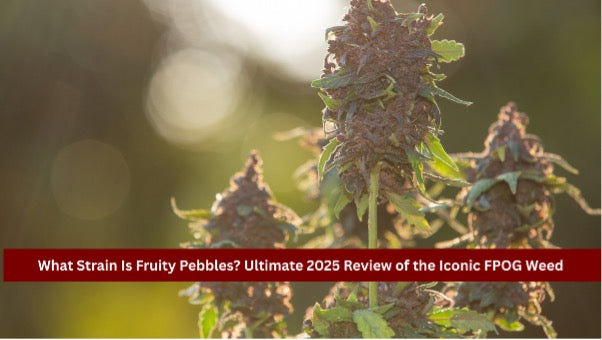
Fruity Pebbles is a cannabis hybrid strain noted for its distinctive purple buds, which are incredibly high in cannabinoids.
The strain goes by many other names, including Fruity Pebbles OG and Fruity OG. It may also be abbreviated as FPOG (short for Fruity Pebbles OG).
Fruity Pebbles is one of cannabis’ legendary strains, a status largely attributed to its unique heritage and rich aroma/flavor profile. The strain has a distinctive tropical smell and taste.
Most users report a berry-like flavor, which can vary in intensity depending on a phenotype’s actual terpene profile.
As a hybrid, Fruity Pebbles possesses both sativa and indica properties. The cultivar’s genome comprises 55% indica and 45% sativa, enabling it to provide balanced therapeutic properties.
Fruity Pebbles Developer
Renowned cannabis breeder Alien Genetics is credited for creating the Fruity Pebbles strain. The strain first emerged in 2006.
Alien Genetics reportedly developed Fruity Pebbles by crossing several cultivars, including the Granddaddy Purple, Tahoe Alien, and Green Ribbon. However, the company hasn’t officially confirmed these reports.
Despite Fruity Pebbles’ mysterious origins, its effects are unmistakable. That explains the soaring demand for this iconic strain over the recent past.
Note that Alien Genetics is no longer the sole breeder of Fruity Pebbles. Many breeders have emerged over the years, resulting in diverse phenotypes.
Fruity Pebbles Descendants
Several strains have emerged from Fruity Pebbles. Noteworthy mentions include Abacus, Apple Jaxx, and Alien Pebbles OG.
Most Fruity Pebbles descendants are hybrids. While these strains may have different indica and sativa compositions, they all contain their parents’ distinctive effects.
Besides direct descendants, Fruity Pebbles also has several variations. That includes Fruity Pebbles 2.0, a hybrid developed by crossing Wedding Cake with Forbidden Fruit.
Meaning Behind the Name
Fruity Pebbles derives its name from an eponymous cereal brand.
Fruity Pebbles (the brand) is a crispy rice cereal manufactured by Post Consumer Brands, which is beloved for its fruity flavors. The name was originally inspired by Pebbles Flintstone, a fictional character in the famous cartoon ‘The Flintstones.’
The Fruity Pebbles rice cereal was introduced in 1971. It became the first consumer brand to pay tribute to a media character.
Over three decades later, this colorful cereal brand would inspire the naming of one of cannabis’ most powerful strains.
Remember that the Fruity Pebbles strain is commonly written with the word ‘OG.’ OG stands for original, designating FPOG as an old-school cultivar.
Fruity Pebbles Physical Characteristics
Bud and Flower Appearance
Fruity Pebbles sports green-purplish buds. The buds may appear in varying shades, from bright green to deep purple, depending on their maturity stage.
Each Fruity Pebbles buds contains colorful pistils. The pistils are typically brilliant orange, although they may also take on reddish-brown hues.
Fruity Pebbles warm pistil colors blend with the green-purple buds to create a mottled appearance, resembling the iconic rice cereal the strain is named after.
Fruity Pebbles buds may also appear sparkly due to their high resinous trichomes. The trichomes glisten brighter as the buds approach full maturation, intensifying the frosted appearance.
Texture
Texture is a critical determinant of cannabis freshness.
Fresh Fruity Pebbles buds often feel slightly fluffy, a nod to their high resinous buds.
Beware of crumbly or mushy buds. Either texture may indicate a poorly stored Fruity Pebbles flower, especially if the buds also appear in a dull, brownish color.

Fruity Pebbles Cannabinoid and Terpene Profile
Cannabinoids
Raw Fruity Pebbles flowers are rich in therapeutic cannabinoids, the most dominant one being tetrahydrocannabinol (THC). The strain typically contains 18% - 22% THC.
Other cannabinoids, such as cannabidiol (CBD), occur in trace amounts.
However, that’s only true for original Fruity Pebbles phenotypes. Newer cannabis variants may provide more CBD than THC.
For instance, Fruity Pebbles flowers obtained from hemp naturally contain more cannabidiol than tetrahydrocannabinol.
Besides, Fruity Pebbles’ cannabinoid profile will depend on the extraction method used. Controlled extraction may render the final product significantly higher in CBD than THC.
In addition to cannabidiol and tetrahydrocannabinol, Fruity Pebbles may also abound in several cannabinoids. These include tetrahydrocannabinolic acid (THCA), cannabidiolic acid (CBDA), cannabigerol (CBD), cannabinol (CBN), cannabichromene (CBC), etc.
Always research the dominant cannabinoids in Fruity Pebbles before choosing the product.
Terpenes
While cannabinoids account for cannabis’ healing properties, terpenes mostly give weed extracts their distinctive effects.
Caryophyllene is the dominant terpene in Fruity Pebbles. The compound has a sweet-spicy taste, often with peppery hints.
Other terpenes in Fruity Pebbles include myrcene, limonene, camphene, terpinolene, and humulene.
Besides their signature tastes and aromas, most terpenes also contain therapeutic properties. The compounds work alongside the dominant cannabinoids in Fruity Pebbles to produce compounded benefits via a mechanism called the entourage effect.
Caryophyllene - the principal terpene in Fruity Pebbles - is a potent anti-inflammatory. Myrcene, camphene, and terpinolene are both mellowing.
Meanwhile, humulene packs powerful analgesic properties, while limonene stands out for its euphoric effects.
Therapeutic Benefits and Common Applications
1. Numbing Body Aches
Studies have shown that both THC and CBD may soothe body aches by desensitizing certain pain-signalling receptors in the endocannabinoid system, particularly the vanilloid receptor.
As noted, the strain also contains analgesic terpenes like humulene.
2. Alleviating Inflammation
Fruity Pebbles possess powerful anti-inflammatory properties.
While the strain may not instantly cure inflammation, it can help you manage the pain and swelling.
Active compounds in Fruity Pebbles block inflammatory flare-ups by reducing sensitivity to pro-inflammatory proteins, such as cytokines.
3. Soothing Anxiety
Battling stress and anxiety? If you’ve used conventional antidepressants for weeks but to no avail, it may be time to upgrade to the Fruity Pebbles strain.
Fruity Pebbles is slightly indica-dominant.
As with most indicas, the strain may quell nervousness by stimulating the body’s response to ‘feel-good’ hormones like serotonin.
4. Improving Sleep Quality
Stress and anxiety are leading causes of sleep deprivation. By addressing both conditions, Fruity Pebbles might boost your sleep quality.
Taking measured doses of Fruity Pebbles at bedtime can help shorten your sleep onset latency.
The strain’s calming effects will then kick in, keeping you in deep sleep for longer hour blocks.
5. Treating Fatigue
Fruity Pebbles’ genetic makeup is nearly half sativa, making it potentially energizing.
Administering Fruity Pebbles in the morning can help rev up your energy levels.
The strain will also uplift your spirits, enabling you to deal with annoying mood swings.
6. Unlocking Creativity
As well as stimulating physical energy, Fruity Pebbles can also supercharge your creativity.
Consume Fruity Pebbles ahead of a brainstorming session to get your creative ideas flowing. Or, administer the test before embarking on an arduous art project.
Whether it’s composing the next poem stanza or creating a DaVinci-grade painting masterpiece, you can trust in this legendary strain to deliver.
Flavor and Aroma Profile
Fruity Pebbles has a distinct tropical aroma. The strain delivers a sweet, berry-like scent with caryophyllene responsible for its signature aroma.
You may also pick out gassy, tangy, and citrusy undertones due to the strain’s secondary terpenes.
Fruity Pebbles also delivers a sweet flavor reminiscent of the rice cereal it’s named after. Subtle hints of earth and nut complement the strain’s dominant sugary taste, creating a layered taste.
Will Fruity Pebbles Get You High?
All cannabis strains are inherently mind-altering. So, you can expect some euphoria from consuming Fruity Pebbles.
However, the intensity of effects will depend on the strain’s tetrahydrocannabinol potency. THC-rich Fruity Pebbles will trigger a powerful euphoria marked by intense giggling and enhanced creativity.
As mentioned, you can also find Fruity Pebbles that have been meticulously grown and extracted to be higher in CBD than THC.
CBD-based Fruity Pebbles may not be entirely THC-free. But they’re remarkably low in the psychoactive chemical, making them particularly ideal for medical cannabis users.

What Formulation Does Fruity Pebbles Come In?
Fruity Pebbles comes in many preparations, including:
- Raw, unprocessed flowers
- Pre-rolls
- Vape extracts (e-juices, concentrates, and dry herbs)
- Tinctures
- Edibles (including gummies, chocolates, herbal drinks, etc.)
- Topicals
Fresh Fruity Pebbles flowers let you enjoy the strain’s cannabinoids in their unadulterated forms. Besides, raw buds deliver a richer flavor and aroma experience.
Both smoking and vaping kick in almost instantly. The inhaled vapor quickly enters the bloodstream through the mucous membranes, taking effect within 5 - 15 minutes of the first draw.
However, vaping produces cleaner vapor and flavor. The absence of combustion also makes vaping safer than smoking.
Marijuana Fruity Pebbles also kicks in considerably faster when administered as oral tinctures.
Designed to be dripped underneath the tongue, tinctures can take effect within 10 - 30 minutes. Each drop enters your body via the sublingual glands underneath the tongue.
But there’s a trade-off for a faster onset time.
While Fruity Pebbles takes effect sooner when smoked, vaped, or sublingually administered, the effects typically wear off within a few hours.
Consider Fruity Pebbles edibles if you’re looking for long-lasting benefits.
Edible supplements may take 45 minutes to 2 hours to kick in. But the effects can remain in your system for up to three days.
That’s because Fruity Pebbles’ active cannabinoids don’t absorb all at once. Instead, some remain in the system and enter your bloodstream with subsequent meals.
Lastly, Fruity Pebbles cannabis topicals are excellent for localized issues like muscle pain or joint tenderness. Consider these formulations if you’re wary of the strain’s systemic effects, including its mind-altering abilities.
Fruity Pebbles Dosage Recommendations
Like most cannabis strains, Fruity Pebbles has no ideal dosage. Serving portions depend on various factors, including;
Potency
Fruity Pebbles potency refers to the percentage of its active cannabinoids relative to a product’s total mass or volume. It’s also known simply as concentration.
Higher-potency Fruity Pebbles produce more pronounced effects, while the converse is true for lower-potency products.
However, note that impurities can diminish cannabis’ potency. That underscores the significance of reading the ingredients list before ordering Fruity Pebbles.
Body Size
A smaller body mass implies that Fruity Pebbles travels a shorter distance from the delivery site to your bloodstream.
Therefore, you’d be safer with lower serving amounts.
Cannabinoid Profile
The type of active cannabinoids in Fruity Pebbles also impacts your dosage. Usually, tetrahydrocannabinol is the focus.
Higher fruity pebbles strain THC percentage intensifies its effects. That’s because THC directly impacts CB1 receptors, which are spread throughout the central nervous system (CNS).
Experience Level
How long ago did you start administering Fruity Pebbles?
New cannabis users tend to have a higher sensitivity to the herb. That makes it safer to consume lower doses.
However, the significance of moderation applies to seasoned users too. While Fruity Pebbles has no standard dosage, everyone finds their sweet spot sooner or later.
Your sweet spot is the dosage that works for you. Never exceed those amounts, unless you’re taking Fruity Pebbles for an acute condition.
Formulation
Certain Fruity Pebbles formulations have a slower absorption rate.
For instance, a paltry 15% of the beneficial cannabinoids may enter your bloodstream if consuming Fruity Pebbles edibles. That’s compared to up to 60% for vaping.
The implication is that you may require 10 milligrams of Fruity Pebbles gummies to achieve similar effects as 2.5 milligrams of Fruity Pebbles e-juice.

Wrap Up
Many cannabis strains are either indica-leaning or sativa-leaning. However, special ones like Fruity Pebbles deliver the best of both worlds.
Fruity Pebbles blends sativa’s uplifting properties with indica’s relaxing effects. The strain’s genetic diversity explains its balanced effects, making it ideal for daylong use.
To make the most of Fruity Pebbles, buy the strain from a reputable cannabis store. Remember to also insist on organically-grown, lab-tested products.
As for usage, administer Fruity Pebbles following the manufacturer’s dosage recommendations. You could also start with microdoses and build momentum gradually until you find your sweet spot.
Fruity Pebbles FAQ
1. Is Fruity Pebbles indica or sativa?
Fruity Pebbles has a 55%/45% indica/sativa composition.
2. How much THC is in Fruity Pebbles?
The real Fruity Pebbles strain can produce as much as 22% THC naturally, although the final concentration varies by phenotype.
3. What strains are similar to Fruity Pebbles?
Fruity Pebbles shares near-similar effects to Granddaddy Purple, Tahoe OG Kush, Green Crack, Forbidden Fruit, etc.
4. Is Fruity Pebbles legal?
According to the 2018 Farm Bill, Fruity Pebbles cannabis flower is legal in the United States if hemp-derived and contains no more than 0.3% of delta-9 THC. However, the legality can vary by state, as some states have stricter regulations.
Sources: