

Key Takeaways
- THC-V, or Tetrahydrocannabivarin, is a special cannabinoid that is present in certain strains.
- It can provide a different set of effects from those produced by THC, which include descriptions such as energizing, clear-headed, and stimulating.
- User experiences include improvements in concentration, appetite regulation, and management of the psychoactive effect.
- The potency of THCV is strain and method-dependent and is affected by cannabinoid content.
- Knowledge about what THCV is in weed, its characteristics, and how it works may be useful for those who consume marijuana.
Marijuana enthusiasts are turning to cannabinoids that provide a specific experience different from what can be derived from THC and CBD. Of late, THCV (Tetrahydrocannabivarin) has gained popularity due to its specific psychoactive experience and wellness properties.
In contrast to the extreme euphoria or sleep-inducing effects that are usually associated with the use of THC, the use of the THCV variant of cannabis can be more energizing and exciting while also facilitating greater clarity of the mind.
Its presence in certain THCV varieties gives the user a precise means of indulging in cannabis without the resultant extreme feelings. THCV is also of interest to scientists due to the early signs of it potentially affecting appetite, metabolism, and concentration.
Even though more research must be done, the early results have piqued interest in the benefits of THCV, especially within the consumer community seeking a functional cannabinoid experience.
Read on to understand everything there is to know about THCV cannabis, from its chemical composition to its effects, strength, and strains. Whether you're considering the use of this cannabinoid yourself for the first time or you're an existing lover of cannabis seeking something that suits your needs, knowledge about THCV is an invaluable resource to have on hand.
What Is THCV in Weed?

THCV is a naturally occurring cannabinoid that has a similar chemical composition to THC but has different effects. It occurs in trace amounts in several cannabis plants, but occurs in specific THCV strains that serve different purposes compared to THC, which induces feelings of euphoria and drowsiness due to the heightened stimulation of the mind associated with marijuana use.
- Chemical Structure: The chemical structure of THCV is similar to THC, but it has a carbon chain that is a bit shorter.
- Presence in Cannabis: The THCV levels in cannabis can be higher in sativa-dominant strains, especially in landrace strains found in Africa
- Psychoactive Substance: Even if it remains a psychoactive substance, THCV has effects that are less intense and easier to handle. In fact, this is what attracts those who seek functional highs.
Being able to explain what THCV is in weed provides a way for consumers to discern it from THC and CBD, creating a specific niche within their cannabis experience.
THCV Potency & Effects
-
Energy and Focus
One of the most popular things about THCV weed is that it can provide consumers with mental clarity and focus. Users of this product have claimed that it has provided them with a clean and energizing high that has helped with productivity or has even been useful for creative projects.
-
Appetite Modulation
As opposed to THC, which is generally known as a compound that encourages eating, THCV has the potential ability to work as an appetite suppressant, depending on the dose that one uses. As indicated, depending on the strength of the THCV, the user can choose to induce stimulation or appetite regulation based on the needs that one seeks to accomplish.

-
Controlled Psychoactivity
THCV may provide a more controlled experience of the psychoactive effects. The effects that the psychoactive compound induces have been widely observed to cause a high that renders a person clear-headed and stimulating, but not to the point that they become confused or disoriented.
-
Physical Effects
Although mainly known for cognitive and energizing stimulation, THCV could also be a mild relaxing or tension relief agent without deep sedation. There are consumers reporting increased alertness combined with a degree of body relaxation.
Differences Between THCV and THC
A comparison of THC vs. THCV is crucial for cannabis consumers looking to get the exact effects because:
- THC: Typically linked to feelings of intense happiness and sedation at high doses
- THCV: Could offer creative and sharp mental functionality with mild psychoactive effects without sedation
- Interaction with the Body: Both compounds interact with the endocannabinoid system but might have different binding properties to the CB1 receptors, thus causing unique effects.
As far as consumers are concerned, cannabis offers a different alternative where they could achieve a functional high sensation that could improve focus and productivity.
Advantages of THCV
The benefits of THCV may differ from person to person and situation to situation, and hence could vary widely. However, some of the common THCV benefits may include:
- Cognitive Clarity: The individual might observe a heightened state of focused attention or mental awareness.
- Mood Elevator: THCV can act as a mood booster for the individual.
- Appetite Regulation: Unlike THC, appetite suppression can be noticed in some users of this drug.
- Functional High: The mental alertness that comes with its use will make one capable of doing their daily tasks and even integrate its use into their daily routine.
Consumption Methods for THCV
THCV can be administered in several different ways, and these methods alter the onset, duration, and potency of its effects, as well as its high.
- Vaping: Fast-acting, accurately dosed, which will increase access as well as the quality of THC.
- Edibles: These could give a long-lasting high but are somewhat hard to measure since they are meant to work on digested food.
- Tinctures: Such preparations can be precisely quantified to deliver measured reactions.
- Smoking: Will offer immediate relief through the full spectrum of cannabinoids.
Cultivation Traits and Grower Appeal
THCV-dominant cannabis strains have become popular not only because of their fascinating psychoactive effects but also because they have an appeal when it comes to cultivation. These strains are predictable when it comes to growth, have terpene-laden flowers, and produce moderate to high yields, making cultivation, whether on a personal or commercial level, rewarding.
Environment Preferences
- Temperature: A well-considered temperature range of between 70°F and 80°F gives optimal growing conditions. Consistent temperatures avoid stress, thereby promoting optimal cannabinoid and terpene production. Lower temperatures can be useful for promoting colors and aromas in specific strains of cannabis.
- Lighting: Using full-spectrum lighting or natural lighting from the sun encourages healthy growth and allows the development of robust buds and resin glands. Timing is essential and involves growing for 18 hours and flowering for 12 hours.
- Humidity: A low to moderate humidity level (40-60% around flowering time) helps prevent the growth of mold and mildew but aids in the formation of trichomes, which are essential for THCV concentration in flowers. A higher humidity level (50-70%) can be beneficial during the vegetation phase, helping in the growth of leaves and the development of roots.
- Air Current: Well-ventilated areas don't promote stagnation of air or the accumulation of mold and enhance stem strength. Fans and proper air intakes/outakes ensure healthy and upright plants.
Flowering and Yield
- Flowering Time: The flowering period of THCV varieties is around 8 to 10 weeks. Proper care needs to be taken during this time if maximum strength and flavor are to be achieved.
- Weight or Yield: Cultivating the plant correctly will enable the user to harvest moderate to high volumes of the drug. Resin-coated buds not only prevent the loss of THC-V content but also enhance the drug's potency and taste.
- Terpene Expression: Environmental factors such as light, temperature, and humidity are known to affect terpene expression. A piney, earthy, or citrus character may intensify with proper handling.
Visual Characteristics
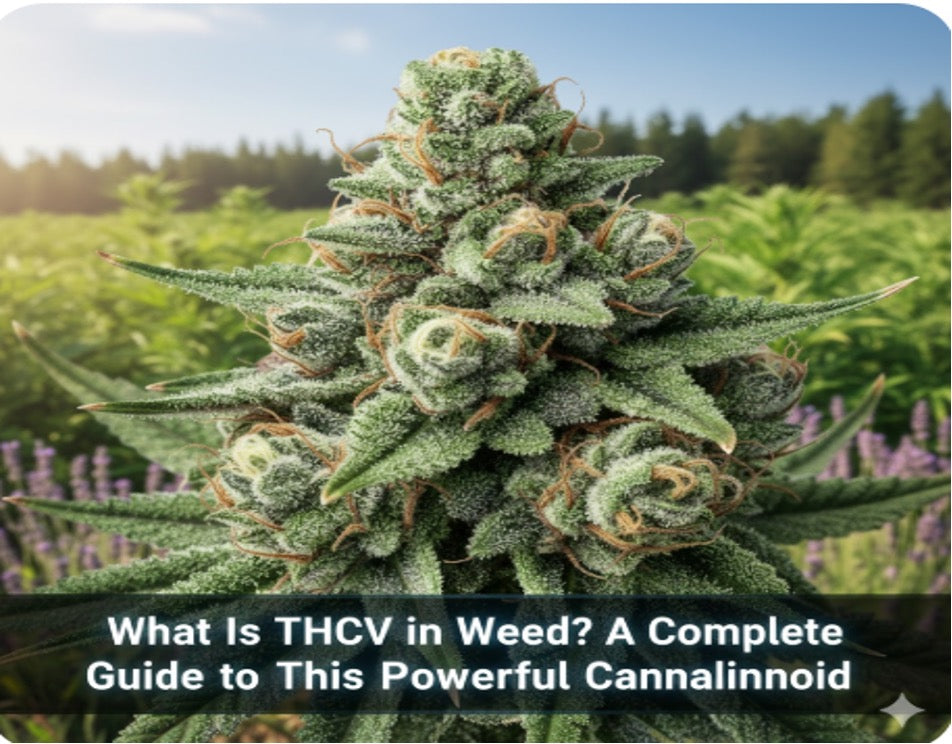
- Appearance: Fully grown buds feature a sparkling appearance from the presence of trichomes that shine and indicate high cannabinoid levels. Most THCV varieties will feature colorful shades ranging from green to purple.
- Aroma and Flavor: THC-V dominant strains tend to have a potent and distinctive smell. Some aromas may be earthy and herbal or sharp and citrusy to sweet. Decent drying and curing skills will enhance these aspects.

Step-By-Step Instructions To Grow THCV Cannabis
Step 1: Choose the Right Strain
The process of growing THCV cannabis begins with the selection of cannabis strains that are known to be rich in THCV. The selection of the cannabis strain will depend on whether one is looking for specific effects of the cannabis, its strength, or the grower's expertise. Obtaining cannabis seeds from trusted and lab-tested laboratories will help in the selection process of the best THCV strain.
Step 2: Germination
Germination can then be conducted in an environment that will optimize germination. Germination can be done using various techniques, including paper towels, seed plugs, or hydroponic germination kits.
Keeping the environment warm and moist and shading the seeds from direct sunlight will allow them to germinate well. It is an important phase that will help the plant produce robust roots required during the next phase of growth.
Step 3: Vegetative Stage
During the vegetative phase, the primary concern of the plant will be developing leaves and stems. Some optimal conditions during this phase would include temperatures ranging from 70-80°F and relative humidity of 50-70%.
Light cycles of 18 hours will promote effective growth in the plants, while balanced feeding will ensure that they receive adequate and not excess nutrients either.

Step 4: Training & Pruning
Methods like topping, low stress, and selective defoliation are done to promote even growth and budding sites. It is essential to ensure good air circulation within the plant, which helps in preventing mold growth, further proliferating the growth of trichomes, which is imperative in keeping the THCV levels within the plant intact.
Step 4: Flowering Stage
The flowering stage starts by setting the light cycle to 12 hours of light and 12 hours of darkness. This acts as the trigger for the formation of buds. While the plant is in the flowering stage, the humidity level should be lowered to 40-60%, and the temperatures should remain moderate to facilitate higher potency of THCV and higher formation of terpenes.
Checking the trichomes regularly makes it possible for the grower to identify the perfect time to harvest the crop to ensure maximum cannabinoid content.
Step 5: Harvesting
Harvesting should take place when the majority of the trichomes are milky with a slight transition to amber. It is important to harvest using sanitized tools to avoid damaging the buds. Harvesting at the right stage will ensure the special nature of the plant's THCV is retained.
Step 6: Drying and Curing
After the harvest, the buds should be allowed to dry in a dark, well-vented area at a temperature of 60-70° F for a period of seven to ten days. Curing the dried products in an air-tight container will improve the taste, and the THCV will become powerful. Opening the container will release the excess moisture while avoiding the growth of mold.
Why THCV Is a Unique Cannabinoid
The THCV cannabis compound is an exciting entry into the cannabis industry. The compound's capacity to create a functional high, boosting mental clarity and focus, makes it a very unique cannabis product compared to other strains of THC.
The fact that people can now learn what THCV is in weed, how it works, how to take it, and how to grow cannabis containing this compound ensures that consumers can choose strains and amounts of this cannabis compound according to their interests.
Whether for a clear mental high, a functional high, or a sensory experiment, THCV is a useful alternative to other cannabinoids.
FAQs
1. What Is THCV in Weed?
THCV, or tetrahydrocannabivarin, is a cannabis compound commonly known to have a clear-headed and energy-boosting function, which is different from THC. There are specific strains of THCv.
2. What Are The Benefits of THCV?
THCV may have several benefits and may include increased focus and flow, changes in mood, and appetite. It is often used for functional purposes.
3. How Does THCV Differ from THC?
While the former can cause sedation and intense euphoria, the latter may cause a well-controlled, clear-headed high that is also stimulatory in nature.
4. Does THCV Make You Hungry?
THCV could also be seen as a potential appetite suppressant, which would be the opposite of the typical "munchies" high from THC.
5. Which Strains Are High in THCV?
Common strains associated with THCV include Durban Poison, Doug's Varin, and Pineapple Purps, among others. Such strains can have different levels of THCV concentration and psychoactive properties.


