
The Strongest CBD Flower Strains You Can Get Right Now
· ShopZaza
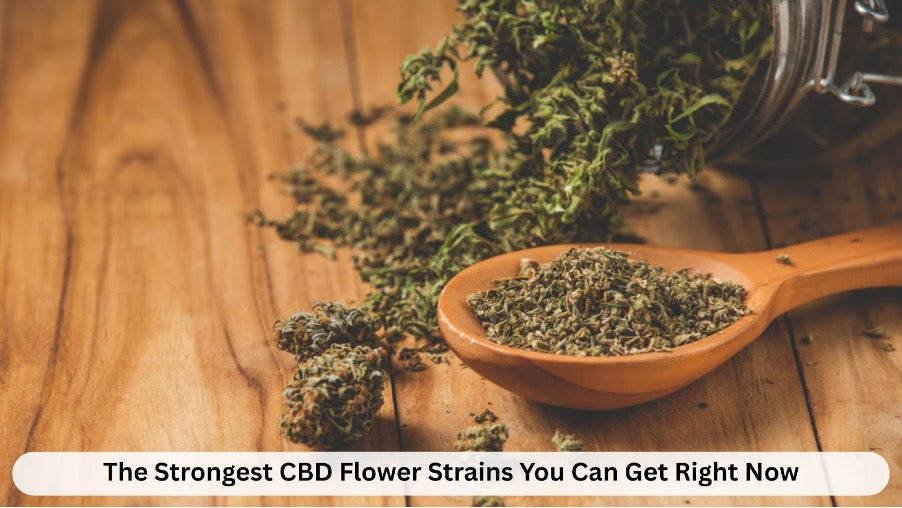
Humans have consumed cannabis for millennia to relieve various ailments. While the plant has seen an eclipse in popularity over the years, the last few decades have witnessed a tremendous spike in the demand for its extracts.
Renewed interest in cannabis is largely due to a growing trend towards alternative remedies. Besides, regulators in several jurisdictions have relaxed their once-punitive marijuana laws to mainstream access to this powerful medicinal herb.
Research has also uncovered that cannabis isn’t a distinct plant as many originally assumed. Instead, it comes in two major species - Cannabis sativa and Cannabis indica.
Other lesser-known species exist as well, including Cannabis ruderalis.
Cannabis species are further divided into strains. Also known as cultivars or simply variants, each strain produces 100+ naturally occurring, therapeutically beneficial compounds known as cannabinoids.
Two of the most widely studied cannabinoids are tetrahydrocannabinol (THC) and cannabidiol (CBD).
Certain cannabis plants, particularly hemp strains, are naturally higher in CBD but lower in THC. The converse is true for marijuana cultivars.
This blog details the strongest CBD-based cannabis cultivars around. But first, let’s begin by demystifying a few terms.
Introducing CBD and THC
Cannabidiol and tetrahydrocannabinol are usually the first names that spring to mind when discussing cannabis’ effects.
Both cannabinoids have demonstrated promise for treating various ailments. However, they differ in their mind-altering abilities.
THC is psychoactive. It’s the compound responsible for most of marijuana’s euphoric effects.
In contrast, pure CBD won’t make you high. The compound’s immense therapeutic properties and non-psychoactive effects explain why it’s often the primary bioactive ingredient in medical marijuana products.
Hemp versus Marijuana
The terms “marijuana” and “cannabis” are often used interchangeably. Fundamentally, they both refer to the same plant.
Some people also use “weed,” a name originally coined as a reference to the plant’s fast-growing and invasive properties.
However, ‘marijuana’ may also denote specific cannabis variants. The term is commonly used within legal quarters to define cannabis cultivars that are significantly higher in tetrahydrocannabinol but lower in cannabidiol.
When applied this way, ‘marijuana’ is often contrasted with hemp. US laws define hemp as any cannabis variant with a maximum THC concentration of 0.3%.
Unpacking the Strongest CBD Strains Right Now
1. Skywalker
Skywalker is a popular cannabis strain developed by crossing Blueberry and Mazar. There’s also an OG version with OG Kush in its lineage, resulting in one of the most genetically diverse cultivars.
While Skywalker is naturally a THC strain, there are numerous versions bred to be specifically high in CBD.
Laboratory tests have detected up to 25% CBD potency in certain Skywalker variants. The actual composition can vary by the phenotype and growing techniques.
2. Blueberry
Blueberry was developed in the 1970s by legendary cannabis breeder DJ Short. Its lineage comprises Afghani indica, Thai indica, and Purple Thai sativa landrace strains.
Original Blueberry cultivars were higher in tetrahydrocannabinol than cannabidiol. But thanks to the raging demand for medical marijuana products, multiple CBD-high versions have emerged over the years.
Administering Blueberry at the right time can calm your nerves without causing sedation. Besides, the strain is famous for its rich aroma and flavor profile.
3. Purple Churro
Purple Churro is a CBD strain developed by Canadian cannabis brand, Redecan.
Created by hybridizing Cinnamon Horchata with Apples & Bananas, Redecan named this cultivar as a reflection of its colorful buds and sugary taste.
Certain Purple Churro variants can contain up to 15% CBD. Perfect if you’re looking to unwind after a stressful day in the office.
4. Lifter
This strain’s name speaks to its uplifting properties. A cross between Suver Haze and Early Resin Berry (ERB), Lifter can provide up to 16% CBD and trace amounts of THC.
Many users report a balance of uplifting and relaxing effects. The strain also stays in your system much longer, making it excellent for managing chronic ailments.
5. Charlotte’s Web
Charlotte’s Web was named in honor of Charlotte Figi, the 13-year-old girl with Dravet syndrome who became famous for using cannabidiol to manage her condition. Developed by Colorado-based Stanley Brothers, Charlotte’s Web tests for about 13% CBD.
The strain has a paltry 1% THC concentration. So, you can administer it without worrying about THC’s intoxicating effects.
6. Remedy
Seeking a remedy for stress and anxiety?
Why not check out this strain!
A cross between Cannatonic and Afghan Skunk, Remedy contains about 14% CBD and negligible THC levels. That’s enough to promote full-body relaxation.
Other issues you can manage with Remedy include body aches, inflammation, and sleeplessness. The strain’s citrusy aroma crowns its effects, letting you relish each dosage.

7. Elektra
Electra derives its name from its electrifying scents.
Besides its pleasant aroma, Electra is also remarkably high in cannabidiol. Raw buds typically provide up to 20% CBD and <1% THC.
Growers cite Electra for its ease of cultivation, too. The strain is super resistant to pests and diseases, making it adaptable to diverse climatic regions.
8. Sour Space Candy
Despite their similarly sounding names, Sour Space Candy and the Sour Diesel strain aren’t identical.
Perhaps the only similarity is the gassy hints in their aromas.
Unlike the THC-high Sour Diesel, Sour Space Candy contains only 1% tetrahydrocannabinol compared to over 17% CBD. The strain descends from Early Resin Berry and Sour Tsunami.
9. Harlequin
Harlequin probably has the highest THC concentration of all CBD-high cultivars on this list. Some tests have detected 4 - 7% tetrahydrocannabinol in Harlequin.
However, the strain is equalized by its 16% CBD content. Consider Harlequin if you’re mostly seeking CBD’s relaxation but with a bit of THC’s cerebral boost.
The hybrid was originally developed by David Collective after hybridizing landrace strains collected from Colombia, Switzerland, Nepal, and Thailand.
10. Tatanka Pure CBD
As the name implies, Tantanka is a near-pure CBD strain. Created by crossing Medical CBD with Elixir Vitae, this cultivar contains 14% CBD and <0.25% THC.
Tatanka is one of the strongest CBD cultivars with the lowest THC concentrations. It’s a super calming hybrid that delivers almost no psychoactive effects.
Whether you’re struggling with mood swings or nervousness, a measured dose of Tatanka’s high potency CBD flower might be all you need to mellow down.
The name Tatanka is a tribute to the legendary Hunkpapa Lakota warrior - Tȟatȟáŋka Íyotake.

Why Consume CBD-High Strains
CBD-high strains provide cannabidiol’s therapeutic benefits.
Cannabidiol has proven effective for pain management. According to research, CBD may ease body aches by interacting with the vanilloid receptor type 1 (TRPV1). TRPV1 is a receptor involved in transmitting pain signals throughout the endocannabinoid system.
Like many other cannabinoids, cannabidiol also packs potent anti-inflammatory properties. Research suggests CBD may soothe inflammation by inhibiting pro-inflammatory markers like cytokines.
Administering the strongest CBD buds may help with stress and anxiety, too. While cannabidiol will not instantly cure anxiety, it can make the condition more tolerable by increasing serotonin signaling.
Serotonin is a neurotransmitter in the endocannabinoid system that plays a key role in stress management.
Previous findings have detected low levels of this chemical among stressed or depressed individuals. Therefore, stimulating serotonin signaling might lift your mood and promote feelings of happiness.
Other common issues you can address with CBD-high strains include;
a. Insomnia
Insomnia is usually a result of persistent stress. By treating anxiety, CBD flowers may consequently relieve sleep deprivation.
Studies further indicate that cannabidiol may improve sleep quality by treating RBD (REM sleep behavior disorder) and shortening REM sleep.
b. Nausea
Cannabis-based drugs have proven effective at managing chemotherapy-induced nausea. And while much of the credit often goes to THC, CBD plays a critical role too.
A study conducted in rats suggests taking high CBD percentage flower may ease nausea. Like anxiety, cannabidiol treats nausea primarily by binding to serotonin receptors.
c. Seizures
Charlotte Figi’s struggle with Dravet syndrome helped mainstream cannabidiol as a potential anti-seizure drug.
While the little girl succumbed to her condition at the age of only 13 years, she inspired immense research into a previously underexploited area. Subsequent studies have shown that CBD can treat seizures with up to 95% efficacy.
Will CBD Strains Get Me High?
Although CBD strains are loaded with cannabidiol, they’re not entirely THC-free. Even strains like Tatanka that contain negligible THC percentages may still trigger euphoria.
Therefore, always consume CBD flower sparingly to minimize THC’s mind-altering effects.
The good news is that CBD flowers can undergo additional refining to rid them of all THC. If you’re totally averse to THC’s psychedelic properties, select CBD products labeled “isolates” or “broad-spectrum.”
Isolates contain cannabidiol as the only bioactive cannabinoid. They can be over 99% CBD, making them remarkably potent.
Meanwhile, broad-spectrum CBD is formulated with several non-psychoactive cannabinoids, including cannabigerol (CBG) and cannabichromene (CBC). Such flowers provide cannabis’ therapeutic benefits without THC’s mind-altering effects.
Shun CBD flowers labeled “full-spectrum,” unless you’re a seasoned cannabis user. Such products contain significant levels of cannabidiol, tetrahydrocannabinol, and other cannabinoids.
While the diverse cannabinoids percentage enables full-spectrum CBD to deliver the famous entourage effect, these flowers can induce severe euphoria for newbies.

Final Word
Choosing CBD-based strains lets you unlock cannabis’ therapeutic properties while avoiding THC’s potentially intoxicating effects.
Besides, some CBD-high hemp strains naturally meet the legally required maximum THC levels of 0.3%. No need to subject the flowers to further processing to regulate their cannabinoid profile.
However, note that CBD-high strains aren’t entirely THC-free. These cultivars may still get you high due to their considerable tetrahydrocannabinol content.
A good practice is to always choose a lab-tested CBD flower. Examine the screening report carefully for insights into the product’s composition, paying keen attention to its THC potency.
Knowing how much tetrahydrocannabinol is in CBD flower will help you manage your expectations.
Be sure to also analyze the presence and levels of any contaminants in the product. And as a parting shot, consume your CBD flower sparingly to minimize any adverse reactions.